I did not trust instant ramen for a proper dinner. Not even a little bit. In my mind, those crinkly bricks were strictly for broke college nights or late-night desperation—something you ate over the sink while promising yourself a real meal tomorrow. So when my roommate swore she could turn them into something worth sitting down for, I literally laughed. “Sure,” I said. “And I’ll make boxed mac and cheese for Thanksgiving.”
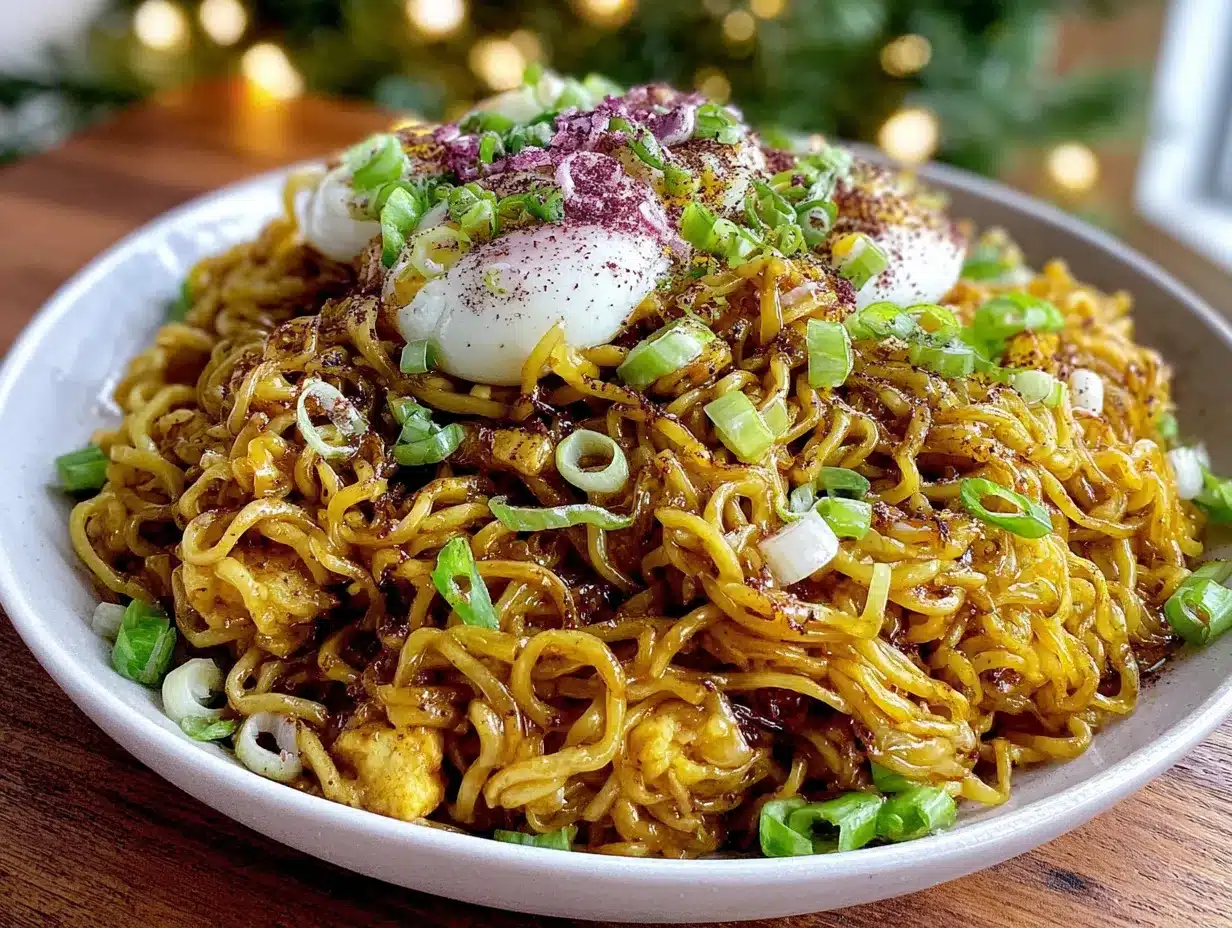
She didn’t argue. She just walked into the kitchen, grabbed a pot, and started melting butter with garlic. Ten minutes later, she slid a bowl in front of me—and I honest-to-goodness had to take back every sarcastic thing I’d said. The noodles were silky, coated in this glossy, savory garlic butter sauce that clung to every strand. There were tender vegetables in there too, and a soft egg on top that broke open and mixed into everything. It tasted like something from a tiny noodle shop, not a 99-cent package. I finished the whole bowl, scraped the bottom, and immediately asked her to teach me.
That’s how these easy one-pot garlic butter ramen noodles became my emergency dinner. Not emergency as in “I have nothing else”—emergency as in “I want something this good, this fast, and I don’t want to wash a bunch of dishes after.” It’s the kind of dinner that feels like a cheat code. And honestly? I’ve made it for guests who had no idea they were eating instant noodles. They just asked for the recipe.
Why You’ll Love This Recipe
Look, I’ve tested a lot of quick dinners over the years. Some are fast but forgettable. Others taste great but leave you with a mountain of pans. This one sits right in that sweet spot where everything just works.
- Ready in 15 minutes flat. From fridge to table in the time it takes to decide what to watch on Netflix. I’ve timed it. It’s almost embarrassingly fast.
- One pot, minimal cleanup. You use one pot. That’s it. No separate pans for sauce or vegetables. Your future self will thank you.
- Made from real ingredients. Despite starting with instant ramen, this dish uses fresh garlic, real butter, and whatever vegetables you have hanging around. It feels wholesome, not processed.
- Completely customizable. Add protein, swap vegetables, adjust the spice—this recipe bends to whatever you’re craving or whatever’s in your fridge.
- Restaurant-quality flavor at home. The garlic butter sauce is genuinely luxurious. It coats the noodles in a way that feels indulgent without being heavy.
What makes this version different from the dozens of other ramen hacks out there? It’s the technique. Most recipes just dump seasoning packets into butter and call it a day. I take a slightly different approach—blooming the garlic slowly in butter, using a splash of soy sauce for depth, and reserving some pasta water (yes, from the ramen) to create an actual emulsion. It’s a small thing, but it transforms the sauce from greasy to glossy. The noodles drink it up instead of just sitting in it.
This is the kind of dinner that makes you close your eyes after the first bite. It’s comfort food that comes together faster than takeout delivery. Perfect for those nights when you want something satisfying but don’t have the energy for a full cooking project.
What Ingredients You Will Need
This recipe uses simple, pantry-friendly ingredients to create something that tastes far more complex than it is. Most of these are things you probably already have on hand.
- Instant ramen noodles (2 packages) — Discard or save the seasoning packets. You want just the noodles here. I prefer the classic Maruchan or Nissin blocks for their texture, but any brand works. The curly, wavy kind holds the sauce better than straight noodles.
- Unsalted butter (3 tablespoons) — Salted butter works too, just reduce any added salt later. Butter is the backbone of this sauce, so use a good one if you have it. Kerrygold or any European-style butter adds extra richness.
- Fresh garlic (4-5 cloves, minced) — Please don’t use the jarred stuff here. Fresh garlic makes a massive difference. You want it finely minced so it melts into the butter rather than leaving chunky bits.
- Soy sauce (2 tablespoons) — Regular or low-sodium both work. This adds the savory umami depth that balances the butter. Tamari or coconut aminos work for gluten-free options.
- Brown sugar (1 teaspoon) — Just a tiny bit to round out the savory flavors. It doesn’t make the dish sweet—it just balances the salt and garlic. You can skip it or use honey.
- Chicken or vegetable broth (1/4 cup) — Used to deglaze the pot and help create the sauce. Water works in a pinch, but broth adds another layer of flavor.
- Red pepper flakes (1/4 teaspoon, optional) — Adds a gentle warmth. Adjust based on your spice tolerance. I sometimes use gochugaru (Korean chili flakes) for a slightly different heat.
- Vegetables (1 cup total) — I usually use a mix of thinly sliced bell peppers, shredded carrots, and snap peas. Mushrooms, bok choy, broccoli florets, or spinach all work beautifully. Use whatever needs to be used up.
- Eggs (2, for soft-boiled or fried topping) — Totally optional but highly recommended. A jammy soft-boiled egg or a crispy fried egg takes this from good to unforgettable.
- Green onions (2-3, sliced) — For garnish and freshness. They add a nice pop of color and a mild onion bite.
- Sesame seeds (1 teaspoon, optional) — For garnish. Toasted sesame seeds add a nutty finish that complements the garlic butter beautifully.
Ingredient selection tip: For the best texture, look for ramen blocks that are still intact, not broken into pieces. The noodles should be curly and springy. If you’re using fresh ramen noodles from the refrigerated section, reduce the cooking time by about a minute.
Substitution guidance: Need this dairy-free? Use vegan butter or coconut oil instead of regular butter. The flavor changes slightly but it’s still delicious. For a gluten-free version, use rice ramen noodles or gluten-free instant noodles. Just watch the cooking time as they tend to cook faster.
Equipment Needed
The beauty of this recipe is how little equipment it requires. You probably already own everything.
- Large pot or Dutch oven — A 4-5 quart pot works perfectly. You need enough room to cook the noodles and toss everything together. I use my enameled Dutch oven because it distributes heat evenly.
- Sharp knife and cutting board — For mincing garlic and slicing vegetables. A good sharp knife makes this part go much faster.
- Wooden spoon or silicone spatula — For stirring the noodles and sauce. Wooden spoons won’t scratch your pot and give you good leverage for tossing.
- Small bowl — For mixing the sauce ingredients together before adding them to the pot. Not strictly necessary but makes the process smoother.
- Measuring spoons — For accurate measurements. I’ve made this enough to eyeball it now, but measuring helps when you’re first learning.
Budget-friendly note: If you don’t have a Dutch oven, any large pot with a lid works. I’ve made this in a stainless steel stockpot and a nonstick wok—both worked great. The nonstick option actually made cleanup even easier.
Preparation Method
- Bring a large pot of water to a boil. Fill your pot about halfway with water and set it over high heat. While it’s coming to a boil, you can prep your ingredients. This saves serious time.
- While the water heats, prepare your ingredients. Mince the garlic cloves finely. Slice your vegetables into thin, uniform pieces so they cook quickly and evenly. If you’re making a soft-boiled egg, now’s the time to get that started—or you can fry an egg while the noodles cook.
- Cook the ramen noodles. Once the water is boiling, add the ramen blocks. Cook for 2 minutes, using a fork to gently separate the noodles as they soften. Do not overcook—they’ll continue cooking slightly in the sauce later. Drain the noodles, but reserve about 1/2 cup of the starchy cooking water. This is important for the sauce.
- Melt the butter in the same pot. Return the empty pot to medium heat. Add the butter and let it melt completely. Swirl the pot to coat the bottom. The residual heat from cooking the noodles will help the butter melt quickly.
- Bloom the garlic. Add the minced garlic to the melted butter. Cook for 30-45 seconds, stirring constantly. You want it fragrant and just starting to turn golden—not brown. Burnt garlic turns bitter, so keep a close eye on it. The smell at this stage is absolutely intoxicating.
- Add the soy sauce, brown sugar, and broth. Pour these into the pot and stir to combine. Let it bubble gently for about 30 seconds. The sugar will dissolve and the sauce will start to thicken slightly. If you’re using red pepper flakes, add them now.
- Toss in the vegetables. Add your sliced vegetables to the pot. Stir them around in the sauce for 1-2 minutes. They should start to soften but still have some crunch. Snaps peas will turn bright green, bell peppers will soften at the edges.
- Add the noodles and reserved water. Return the drained noodles to the pot. Pour in about 1/4 cup of the reserved cooking water. Toss everything together using tongs or a wooden spoon. The starchy water helps the sauce cling to the noodles instead of pooling at the bottom. If the sauce seems too thick, add more reserved water a tablespoon at a time.
- Taste and adjust. Take a bite. Need more soy sauce? Add a splash. Want more heat? Another pinch of red pepper flakes. This is your chance to dial it in exactly how you like it.
- Plate and garnish. Divide the noodles between bowls. Top with your soft-boiled or fried egg if using. Sprinkle with sliced green onions and sesame seeds. Serve immediately while everything is hot and glossy.
Visual cue: The sauce should coat the back of a spoon and cling to the noodles without being watery. If it looks too thin, let it bubble for another 30 seconds without the lid. If it looks too thick, add a splash more reserved water.
Time-saving tip: While the water boils, you can prep everything. I usually mince the garlic, slice the vegetables, and measure out the soy sauce and broth during those first few minutes. By the time the water is boiling, everything is ready to go.
Cooking Tips & Techniques
I’ve made this recipe more times than I can count, and I’ve definitely learned a few things the hard way. Here’s what I wish someone had told me from the start.
Don’t overcook the noodles. This is probably the most common mistake. Instant ramen cooks fast, and if you boil it for the full 3 minutes listed on the package, it’ll be mushy by the time you toss it in the sauce. Cook it for 2 minutes max—the noodles will finish cooking when you stir them into the hot sauce. Trust me on this. I’ve ruined plenty of batches by walking away from the pot.
Reserve that pasta water. I know it sounds fussy, but it genuinely makes a difference. The starch in the water helps emulsify the butter and soy sauce into a cohesive sauce instead of a greasy mess. I once skipped this step because I was in a rush, and the noodles were noticeably less coated. It’s worth the extra 10 seconds.
Low and slow for the garlic. Garlic burns fast. Like, blink-and-you-miss-it fast. Keep the heat at medium or medium-low when you’re blooming it in the butter. You want it fragrant and golden, not brown and bitter. If you see it turning color too quickly, pull the pot off the heat for a few seconds.
Multitask strategically. While the noodles boil, you can prep your garnishes. While the garlic blooms, you can crack your egg for frying. The whole recipe comes together in about 15 minutes, so having everything within arm’s reach makes the process smooth and stress-free.
Use tongs for tossing. A wooden spoon works, but tongs give you better control for lifting and turning the noodles without breaking them. I use kitchen tongs for almost every step after the noodles are cooked.
One of my early failures with this recipe involved adding too much soy sauce because I wasn’t paying attention. The result was so salty it was almost inedible. Now I always start with less and add more to taste. You can always add salt—you can’t take it out.
Variations & Adaptations
This recipe is wonderfully flexible. Here are some of my favorite ways to change it up.
Protein-packed version: Add cooked chicken, shrimp, or tofu along with the vegetables. Leftover rotisserie chicken works beautifully—just shred it and toss it in with the noodles to warm through. For shrimp, add them right after the garlic and cook until pink, about 2 minutes per side.
Spicy garlic chili version: Add 1 tablespoon of sambal oelek or chili garlic sauce along with the soy sauce. The heat pairs beautifully with the butter and garlic. Top with extra chili flakes for visual drama. This is my personal favorite when I’m fighting off a cold.
Vegetarian/vegan adaptation: Use vegan butter and vegetable broth. Add extra mushrooms for umami depth—shiitake or oyster mushrooms work especially well. Skip the egg or use a soft tofu cube instead. The dish is still incredibly satisfying.
Peanut butter twist: Stir in 1 tablespoon of creamy peanut butter along with the soy sauce. It creates a rich, nutty sauce that’s absolutely addictive. Top with crushed peanuts and cilantro. This version tastes like a deconstructed peanut noodle bowl.
Seasonal vegetable swaps: In spring, use asparagus tips and peas. In summer, add zucchini ribbons and cherry tomatoes. In fall, try thinly sliced Brussels sprouts and mushrooms. The garlic butter sauce works with almost any vegetable combination.
I once made a version with leftover roasted sweet potatoes and kale, and it was honestly one of the best bowls I’ve ever had. Don’t be afraid to experiment based on what’s in your fridge.
Serving & Storage Suggestions
This dish is best served immediately, while the noodles are still hot and the sauce is glossy. The texture really does change as it sits—the noodles absorb the sauce and become softer. That’s not a bad thing, but it’s different.
Serving temperature: Serve piping hot straight from the pot. The garlic butter sauce should be shimmering and aromatic. If you’re adding a soft-boiled egg, cut it open right before eating so the yolk runs into the noodles.
What to serve alongside: A simple cucumber salad with rice vinegar and sesame oil makes a refreshing contrast to the rich noodles. Lightly steamed edamame with sea salt is another great option. For drinks, a crisp lager or a cold sake pairs beautifully.
Storage: If you have leftovers (unlikely, but possible), store them in an airtight container in the refrigerator for up to 2 days. The noodles will continue to absorb the sauce, so they’ll be softer when reheated.
Reheating: The best way to reheat is in a skillet over medium heat with a splash of water or broth. Stir frequently until heated through. Microwaving works in a pinch, but the texture won’t be as good—add a tablespoon of water and cover with a damp paper towel to help steam the noodles back to life.
Flavor development note: The garlic flavor actually mellows and becomes more rounded after a day in the fridge. The leftovers taste different but still delicious—almost like a noodle casserole.
Nutritional Information & Benefits
While this is definitely comfort food, it has some surprising nutritional perks depending on your additions.
Estimated nutritional values per serving (without egg): Approximately 420 calories, 18g fat, 55g carbohydrates, 10g protein, 3g fiber. Adding an egg adds about 70 calories and 6g protein.
Health benefits: Garlic is known for its immune-supporting properties and anti-inflammatory compounds. The vegetables add fiber, vitamins, and antioxidants. If you use whole vegetables rather than relying solely on noodles, you’re getting a decent amount of nutrition in each bowl.
Dietary considerations: This recipe can easily be made gluten-free by using rice ramen noodles and tamari instead of soy sauce. For a lower-carb option, use half the noodles and double the vegetables. The dish is naturally nut-free unless you add peanut butter.
Allergen note: Instant ramen noodles typically contain wheat and may contain traces of egg or soy. Check the package if you have specific allergies. The recipe contains dairy from the butter, but this can be substituted.
I don’t pretend this is health food, but it’s far more balanced than takeout or frozen meals. When I make it for myself after a long day, I feel good about eating real ingredients that came together quickly without any processed shortcuts beyond the noodles themselves.
Conclusion
This easy one-pot garlic butter ramen noodles recipe has genuinely changed how I think about quick dinners. It proved me wrong about what instant noodles could be, and it’s become my go-to answer for those nights when I want something satisfying but don’t have the energy for a complicated meal.
The best part? It’s endlessly adaptable. Make it spicy, make it mild, load it with vegetables, add an egg, keep it simple—it works every time. The garlic butter sauce is forgiving, the technique is straightforward, and the whole thing comes together in less time than it takes to decide what to order for delivery.
I’d love to hear how this turns out for you. Did you add something unexpected? Did you make it for someone who was skeptical? Drop a comment below and let me know—I genuinely read every single one. And if you’re looking for another quick and satisfying meal, you might enjoy these mini lemon blueberry cheesecakes for a sweet finish, or browse our full recipe collection for more inspiration.
Now go make yourself some noodles. You deserve a good dinner, even on the busiest nights.
Frequently Asked Questions
Can I use the seasoning packet from the ramen?
You can, but I don’t recommend it for this recipe. The seasoning packets are very high in sodium and contain artificial flavors that don’t blend well with the fresh garlic butter sauce. The soy sauce and garlic provide plenty of flavor on their own. If you’re really attached to using the packet, add just half of it and reduce the soy sauce to 1 tablespoon.
What if I don’t have soy sauce?
You can substitute with tamari, coconut aminos, or even a splash of fish sauce (use less—it’s stronger). In a pinch, a little extra salt and a dash of Worcestershire sauce can work, though the flavor profile will be different. The key is having that salty, umami element to balance the butter.
Can I make this ahead of time for meal prep?
This dish is best enjoyed fresh, but you can prep components ahead. Cook the noodles, make the sauce, and store them separately in the refrigerator. When you’re ready to eat, reheat the sauce in a skillet, add the noodles and a splash of water, and toss until heated through. The vegetables should be added fresh or stored separately to maintain their texture.
How do I keep the noodles from getting mushy?
The biggest secret is undercooking them by about a minute. Instant ramen continues to cook even after you drain it, so pulling it early gives you a better texture. Also, don’t let the finished dish sit around—serve immediately. If you’re making a larger batch, cook the noodles in batches to avoid overcrowding the pot.
Can I use fresh ramen noodles instead of instant?
Absolutely! Fresh ramen noodles from the refrigerated section of an Asian grocery store work beautifully. They typically cook in 1-2 minutes, so watch them closely. The texture will be even better—chewier and more substantial. Just adjust the cooking time and still reserve some of the cooking water for the sauce.
Pin This Recipe!
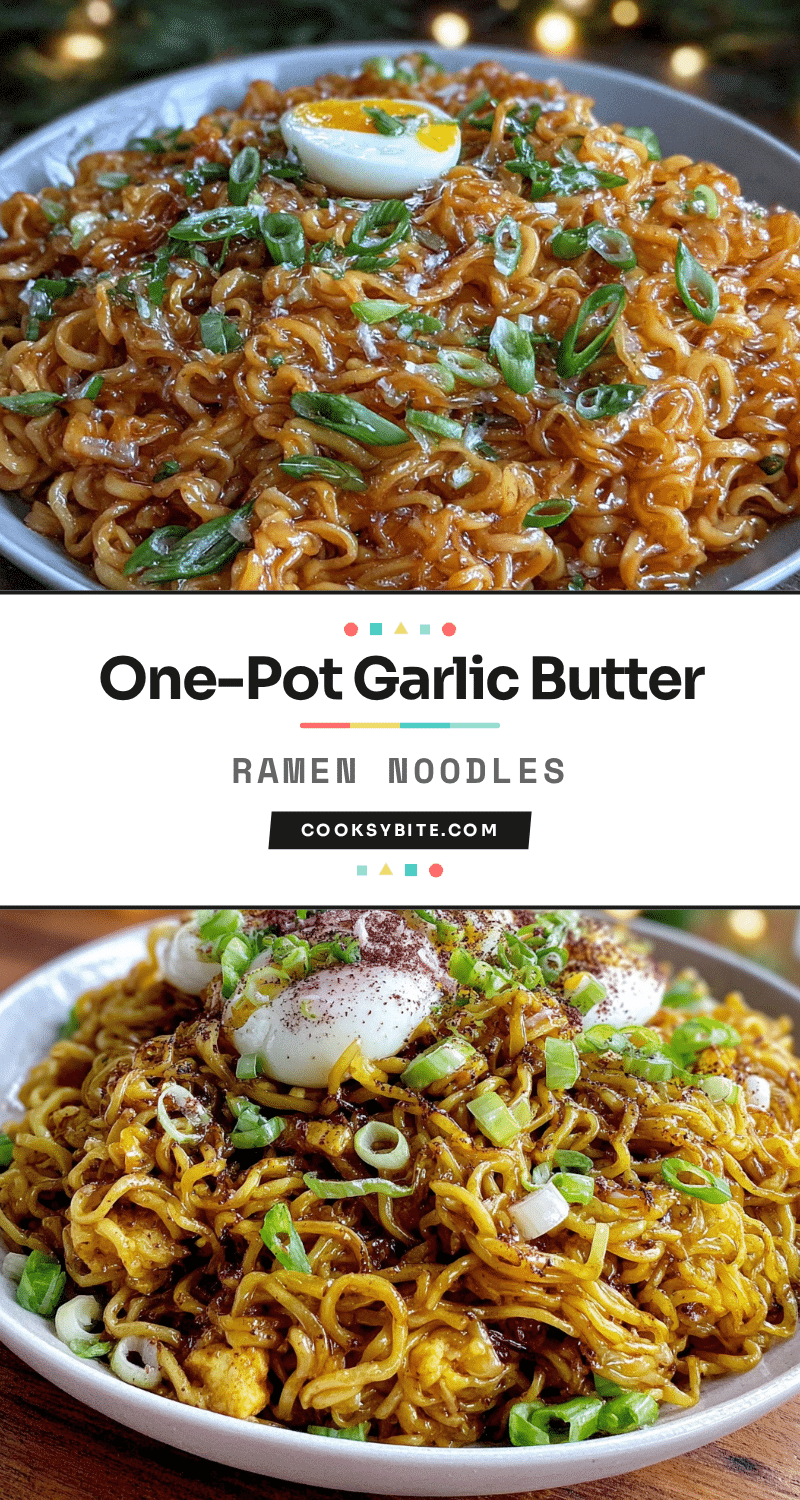
Easy One-Pot Garlic Butter Ramen Noodles (15-Minute Dinner)
Silky instant ramen noodles tossed in a glossy garlic butter sauce with tender vegetables and a soft egg, ready in just 15 minutes. This one-pot wonder proves that instant noodles can become a restaurant-quality dinner with minimal effort and cleanup.
- Prep Time: 5 minutes
- Cook Time: 10 minutes
- Total Time: 15 minutes
- Yield: 2 servings 1x
- Category: Main Course
- Cuisine: Asian Fusion
Ingredients
- 2 packages instant ramen noodles (discard seasoning packets)
- 3 tablespoons unsalted butter
- 4–5 cloves garlic, minced
- 2 tablespoons soy sauce
- 1 teaspoon brown sugar
- 1/4 cup chicken or vegetable broth
- 1/4 teaspoon red pepper flakes (optional)
- 1 cup mixed vegetables (bell peppers, carrots, snap peas, etc.)
- 2 eggs (for soft-boiled or fried topping, optional)
- 2–3 green onions, sliced
- 1 teaspoon sesame seeds (optional)
Instructions
- Bring a large pot of water to a boil.
- While water heats, mince garlic and slice vegetables into thin, uniform pieces.
- Cook ramen noodles in boiling water for 2 minutes, separating with a fork. Drain, reserving 1/2 cup of starchy cooking water.
- Return empty pot to medium heat. Melt butter, swirling to coat bottom.
- Add minced garlic to melted butter and cook for 30-45 seconds, stirring constantly, until fragrant and just golden.
- Add soy sauce, brown sugar, and broth. Stir and let bubble gently for 30 seconds. Add red pepper flakes if using.
- Add sliced vegetables and stir in sauce for 1-2 minutes until slightly softened.
- Return drained noodles to pot. Add 1/4 cup reserved cooking water. Toss with tongs or wooden spoon until sauce coats noodles. Add more water if needed.
- Taste and adjust seasoning with more soy sauce or red pepper flakes as desired.
- Divide noodles between bowls. Top with soft-boiled or fried egg if using. Garnish with sliced green onions and sesame seeds. Serve immediately.
Notes
Don’t overcook the noodles—cook for 2 minutes max as they will continue cooking in the sauce. Reserve the starchy cooking water to help emulsify the sauce. Keep heat medium-low when blooming garlic to prevent burning. Use tongs for tossing noodles. For best texture, serve immediately.
Nutrition
- Serving Size: 1 bowl
- Calories: 420
- Sugar: 5
- Sodium: 800
- Fat: 18
- Saturated Fat: 10
- Carbohydrates: 55
- Fiber: 3
- Protein: 10
Keywords: garlic butter ramen, one-pot ramen, 15-minute dinner, instant ramen recipe, easy ramen noodles, quick dinner, garlic noodles