There was this one evening when I found myself staring at a lonely package of beef in the fridge, wondering how to turn it into something exciting. Honestly, at first, I was skeptical—Korean BBQ always seemed like a complicated deal with a long list of ingredients and tricky techniques. But then a text popped up from a friend, “You have to try bulgogi!” she said, “It’s easier than you think and absolutely addictive.” So, on a whim, I grabbed some basics and started marinating. The smell that filled my kitchen after just a couple of hours was unreal—sweet, savory, with that unmistakable hint of toasted sesame and garlic. The first bite was a quiet revelation: tender beef bursting with flavor, perfectly balanced and utterly comforting. Since then, I can’t stop making this flavorful bulgogi recipe with tender marinated beef, and honestly, it’s become my go-to for quick dinners and impressing friends without stress. There’s just something about that mix of sweet and savory, the melt-in-your-mouth texture, and the way it pairs with simple rice or crisp lettuce wraps that makes it a quietly perfect dish. It’s not fancy, but it’s reliably delicious, and that’s why it stuck around in my kitchen and heart.
Why You’ll Love This Recipe
- Quick & Easy: This bulgogi comes together in about 30 minutes of active prep, perfect for busy weeknights or last-minute cravings.
- Simple Ingredients: No exotic shopping required—most are pantry staples or easy to find at your local store.
- Perfect for Korean BBQ Nights: Whether it’s a casual solo meal or a small gathering, this recipe brings authentic Korean flavors without the fuss.
- Crowd-Pleaser: Kids and adults both rave about the tender beef and sweet-savory marinade combo.
- Unbelievably Delicious: The marinade’s balance of soy, sugar, garlic, and sesame oil creates a flavor that’s rich yet light, with a texture that’s tender but still satisfying.
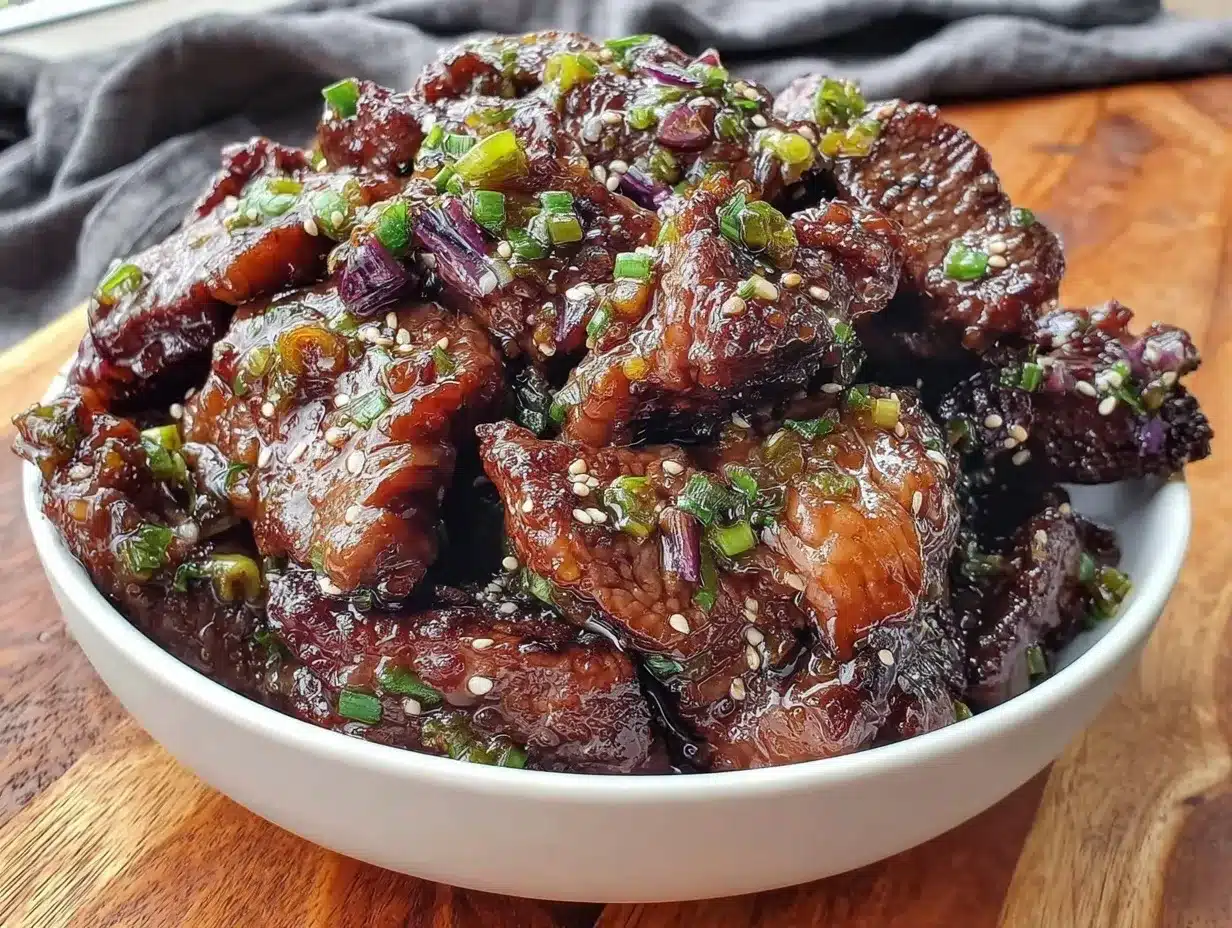
This isn’t just another bulgogi recipe floating around—it’s the one I’ve tweaked after multiple tries to get the marinade just right. I blend grated Asian pear for natural sweetness and extra tenderness, and I’m not shy about adding a splash of toasted sesame oil for that nutty depth. The beef slices come out tender, juicy, and perfectly caramelized. Honestly, this recipe brings a little bit of Korea to my kitchen table, no grill needed, and always with that comforting, soul-soothing satisfaction that makes you close your eyes after the first bite.
What Ingredients You Will Need
This flavorful bulgogi recipe uses simple, wholesome ingredients to deliver that bold Korean BBQ flavor and tender texture without any complicated steps. Most ingredients are pantry staples, with a couple of fresh items that bring out the best in the beef.
- Beef: 1 pound (450g) thinly sliced ribeye or sirloin (look for well-marbled beef for best tenderness)
- Asian Pear: 1 medium, grated (adds natural sweetness and tenderizes the meat)
- Soy Sauce: 1/4 cup (60ml) – I prefer a naturally brewed soy sauce like Kikkoman for authentic taste
- Brown Sugar: 2 tablespoons (adds caramelized sweetness)
- Garlic: 3 cloves, minced (fresh is key for that punchy aroma)
- Green Onion: 2 stalks, thinly sliced (brightens up the flavor)
- Toasted Sesame Oil: 2 tablespoons (provides that signature nutty depth)
- Black Pepper: 1/2 teaspoon freshly ground (balances out the sweetness)
- Ginger: 1 teaspoon grated (optional, but gives a nice warmth)
- Sesame Seeds: 1 tablespoon, toasted (for garnish and subtle crunch)
- Vegetable Oil: 1 tablespoon (for cooking)
Feel free to swap the ribeye with sirloin if you prefer leaner meat, or use flank steak if thinly sliced. For a gluten-free option, choose tamari instead of soy sauce. If Asian pear isn’t available, a grated apple or kiwi can work as a tenderizer, but Asian pear remains the gold standard in Korean cooking. I like to source fresh garlic and green onions from the market—they add that fresh kick you just can’t replicate with dried powders.
Equipment Needed
- Sharp knife and cutting board (essential for thinly slicing the beef)
- Grater (for Asian pear and ginger)
- Mixing bowl (for marinating the beef)
- Large skillet or grill pan (cast iron works wonderfully for a nice sear)
- Tongs or spatula (for flipping the meat without breaking it)
- Measuring spoons and cups
- Optional: Meat mallet (if beef slices need to be thinner)
If you don’t have a grill pan, a regular non-stick skillet will do just fine. I’ve used ceramic pans too, but cast iron gives that extra caramelization that’s hard to beat. When slicing beef thinly, it helps to chill the meat in the freezer for 15–20 minutes beforehand; it firms up and slices much easier. Keeping your knife sharp also makes a big difference—you don’t want to tear the meat.
Preparation Method
- Slice the Beef Thinly: Start by placing your beef in the freezer for about 15 minutes to firm up—it makes slicing easier. Using a sharp knife, slice the beef against the grain into thin strips roughly 1/8-inch (3mm) thick. This helps with tenderness and quick cooking. (Prep time: 10 minutes)
- Grate the Asian Pear and Ginger: Peel and grate the Asian pear into a bowl. Add the grated ginger if using. The pear’s natural enzymes help break down the meat fibers, making the beef tender and sweet. (Prep time: 5 minutes)
- Make the Marinade: To the bowl with pear and ginger, add soy sauce (60ml), brown sugar (2 tbsp), minced garlic (3 cloves), sliced green onions (2 stalks), toasted sesame oil (2 tbsp), and freshly ground black pepper (1/2 tsp). Stir well until the sugar dissolves. (Prep time: 5 minutes)
- Marinate the Beef: Toss the thin beef slices into the marinade, making sure every piece is well coated. Cover the bowl with plastic wrap and refrigerate for at least 1 hour, up to 4 hours. The longer it marinates, the deeper the flavor and tenderness. (Marinating time: 1–4 hours)
- Heat the Pan: When ready to cook, heat 1 tablespoon of vegetable oil in a large skillet or grill pan over medium-high heat until shimmering. This ensures a nice sear without sticking. (Cooking prep: 2 minutes)
- Cook the Beef: Add the marinated beef to the hot pan in a single layer—don’t overcrowd it, or it’ll steam instead of sear. Cook for about 2–3 minutes per side until the edges caramelize and the beef is cooked through but still juicy. Stir occasionally for even cooking. (Cooking time: 5–6 minutes)
- Finish and Garnish: Remove the beef from the pan and sprinkle with toasted sesame seeds for a little crunch and visual appeal. Serve immediately with steamed rice or wrapped in lettuce leaves. (Final step: 1 minute)
Pro tip: Keep an eye on the heat—too high and the sugar in the marinade can burn quickly. Medium-high heat gives you that perfect caramelization without bitterness. If you want more sauce, reserve a little marinade before cooking and simmer it down for a quick glaze.
Cooking Tips & Techniques
Getting bulgogi just right takes a bit of attention to detail, but once you’ve got the hang of it, it’s a breeze.
- Slice Against the Grain: This is key for tenderness. Cutting against the muscle fibers shortens them, making the beef easier to chew.
- Marinate Long Enough: I’ve learned that less than an hour doesn’t let the flavors fully develop, and the meat won’t be as tender. Four hours max is perfect; any longer and the meat can get mushy from the enzymes.
- Don’t Crowd the Pan: Overloading the pan traps steam and prevents browning. Cook in batches if needed for that perfect caramelized crust.
- Use Fresh Garlic and Green Onions: Dried garlic powder won’t give you the same punch or aroma—fresh ingredients make a noticeable difference.
- Control the Heat: Medium-high heat is your friend. Too low and the beef stews; too high and the sugars burn. I usually keep my burner on 6 out of 10.
- Rest Briefly: Let the beef sit for a couple of minutes off the heat to allow juices to redistribute. It keeps the meat juicy.
One time, I got impatient and cooked everything at once on high heat—result was a burnt marinade and chewy meat. Lesson learned! Now I’m all about patience and technique, and it pays off every time.
Variations & Adaptations
This bulgogi recipe is flexible and easy to tweak depending on your dietary needs, available ingredients, or taste preferences.
- Spicy Bulgogi: Add 1 tablespoon of Korean chili paste (gochujang) or red pepper flakes to the marinade for a kick of heat.
- Gluten-Free Version: Swap soy sauce for tamari or coconut aminos to avoid gluten without sacrificing flavor.
- Vegetarian Bulgogi: Use thinly sliced king oyster mushrooms or tofu marinated in the same sauce for a plant-based twist.
- Seasonal Twist: In summer, add fresh julienned carrots or bell peppers to the marinade for crunch and color.
- Low-Sugar: Replace brown sugar with a natural sweetener like honey or maple syrup, adjusting to taste.
Personally, I once made a batch with ground beef when I was short on thin slices, and while it lacked the signature texture, the flavor was still spot on—just cook it like a stir-fry instead. It’s fun to experiment!
Serving & Storage Suggestions
This flavorful bulgogi is best served hot, straight off the pan, with steaming white rice or wrapped in crisp lettuce leaves for a refreshing contrast. I like to add a side of kimchi or pickled vegetables to cut through the richness.
Leftovers store well in an airtight container in the fridge for up to 3 days. Reheat gently in a skillet over medium heat to avoid drying out the beef. You can also microwave, but cover with a damp paper towel to keep it moist.
Flavors develop nicely after resting in the fridge overnight, so if you want to meal prep, marinate the beef ahead and cook fresh when ready. If freezing, freeze raw marinated beef in portions and cook from frozen later—just add a few extra minutes to cooking time.
Nutritional Information & Benefits
Per serving (based on 4 servings): approximately 280 calories, 22g protein, 12g fat, 14g carbohydrates.
This bulgogi recipe provides a good dose of protein from the beef, which also offers essential vitamins like B12 and minerals such as iron and zinc. The Asian pear adds natural sweetness without refined sugar and contains digestive enzymes that aid in breaking down protein for easier digestion.
With a moderate amount of fat from sesame oil and beef marbling, it’s a balanced dish that fits well in many dietary plans, including low-carb if paired with leafy greens instead of rice. Note that it contains soy and sesame, common allergens to keep in mind.
Conclusion
Flavorful bulgogi with tender marinated beef isn’t just a recipe—it’s a reliable crowd-pleaser and a comforting meal that brings a bit of Korean BBQ magic to your home kitchen. It’s simple enough for a weeknight but special enough to share with guests. I love how the marinade transforms everyday beef into something juicy, aromatic, and irresistibly delicious.
Don’t hesitate to make this recipe your own—swap ingredients, add a little heat, or keep it classic. If you try it, I’d love to hear how it went or what twists you added! Cooking is all about making recipes your own and enjoying the process, one tasty bite at a time.
Here’s to many flavorful meals ahead!
Frequently Asked Questions
What cut of beef is best for bulgogi?
Thinly sliced ribeye or sirloin works best because of their tenderness and marbling, but flank steak can also be used if sliced very thinly.
Can I make bulgogi without Asian pear?
Yes, you can substitute grated apple or kiwi, which also have natural enzymes to tenderize the meat, though the flavor may vary slightly.
How long should I marinate the beef for bulgogi?
At least 1 hour is recommended for good flavor and tenderness, but marinating up to 4 hours is ideal. Avoid longer to prevent the meat from becoming mushy.
Is bulgogi spicy?
Traditional bulgogi is mildly sweet and savory, not spicy. However, you can add gochujang or chili flakes if you prefer some heat.
Can I cook bulgogi on a grill?
Absolutely! Cooking bulgogi on a grill adds a smoky char that’s fantastic. Just be sure to use a grill basket or foil to prevent the thin slices from falling through the grates.
Pin This Recipe!
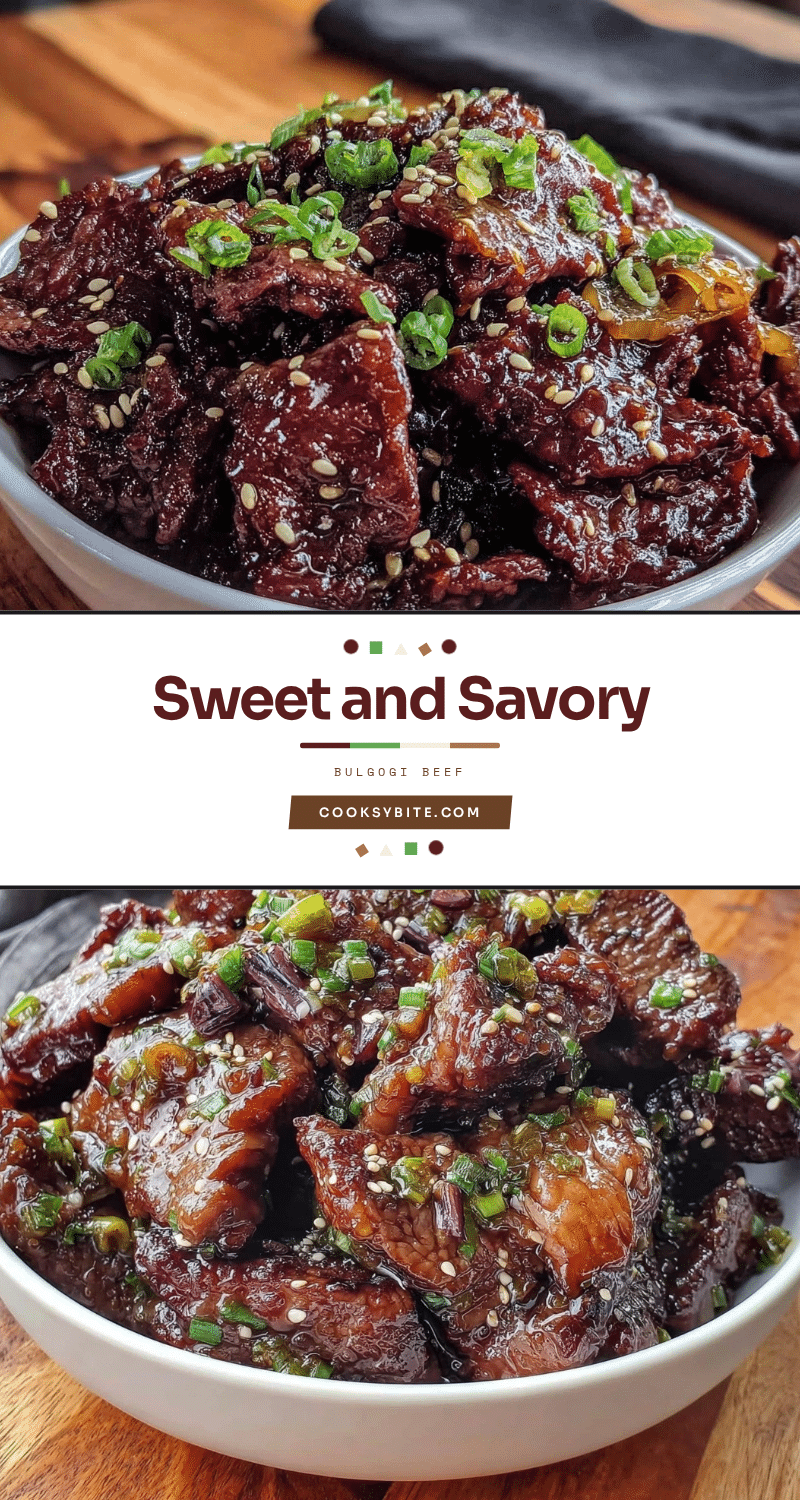
Flavorful Bulgogi Recipe Easy Tender Marinated Beef for Perfect Korean BBQ
A quick and easy Korean BBQ recipe featuring tender, marinated beef with a sweet-savory flavor, perfect for weeknight dinners or gatherings.
- Prep Time: 20 minutes
- Cook Time: 6 minutes
- Total Time: 1 hour 26 minutes
- Yield: 4 servings 1x
- Category: Main Course
- Cuisine: Korean
Ingredients
- 1 pound (450g) thinly sliced ribeye or sirloin
- 1 medium Asian pear, grated
- 1/4 cup (60ml) soy sauce
- 2 tablespoons brown sugar
- 3 cloves garlic, minced
- 2 stalks green onion, thinly sliced
- 2 tablespoons toasted sesame oil
- 1/2 teaspoon freshly ground black pepper
- 1 teaspoon grated ginger (optional)
- 1 tablespoon toasted sesame seeds
- 1 tablespoon vegetable oil
Instructions
- Place beef in the freezer for about 15 minutes to firm up, then slice thinly against the grain into 1/8-inch (3mm) strips.
- Peel and grate the Asian pear into a bowl; add grated ginger if using.
- Add soy sauce, brown sugar, minced garlic, sliced green onions, toasted sesame oil, and black pepper to the bowl; stir until sugar dissolves.
- Toss beef slices into the marinade, coat well, cover, and refrigerate for 1 to 4 hours.
- Heat vegetable oil in a large skillet or grill pan over medium-high heat until shimmering.
- Add marinated beef in a single layer; cook 2-3 minutes per side until caramelized and cooked through, stirring occasionally.
- Remove beef from pan, sprinkle with toasted sesame seeds, and serve immediately with steamed rice or lettuce wraps.
Notes
Slice beef against the grain for tenderness. Marinate at least 1 hour for best flavor, up to 4 hours max to avoid mushiness. Cook in batches to avoid steaming. Use medium-high heat to prevent burning the sugar. Rest beef briefly after cooking to keep juicy. For gluten-free, substitute tamari for soy sauce. Asian pear can be replaced with grated apple or kiwi if unavailable.
Nutrition
- Serving Size: 1/4 of recipe (about
- Calories: 280
- Fat: 12
- Carbohydrates: 14
- Protein: 22
Keywords: bulgogi, Korean BBQ, marinated beef, easy Korean recipe, tender beef, Korean marinade, quick dinner