There was this rainy evening when I found myself craving something that felt like a warm hug in a bowl. I had no grand plans to cook anything fancy—just rummaging through my pantry and fridge, hoping to piece together a meal that would chase away the damp chill. That’s when I stumbled upon a jar of spicy laksa paste I’d bought on a whim months ago. Honestly, I wasn’t sure if it would taste authentic or just weirdly spicy, but I figured, why not?
As the broth simmered and the aromas filled my small kitchen, I realized this flavorful Malaysian laksa spicy noodle soup was more than just a quick fix. The blend of rich coconut milk, fiery chili, and fragrant herbs created a complex, comforting flavor that made the rain outside seem less gloomy. It wasn’t fancy, but it was exactly the kind of homemade meal that sticks with you.
Since that night, I’ve made this laksa recipe more times than I can count—sometimes tweaking the spice level, sometimes adding shrimp or tofu—but the soul of the dish remains the same. It’s a little bowl of Malaysian warmth that’s straightforward enough for a weeknight yet impressive enough to share with friends who keep asking for the recipe. If you’ve ever wondered how to bring bold, spicy Southeast Asian flavors into your kitchen without a million ingredients or steps, this recipe might just become your new go-to.
Why You’ll Love This Recipe
- Quick & Easy: Ready in under 40 minutes, perfect for busy weeknights when you want big flavor without the fuss.
- Simple Ingredients: Uses pantry staples and a few fresh items—no exotic shopping trips needed.
- Perfect for Cozy Nights: This spicy noodle soup warms you up from the inside out, ideal for chilly evenings or rainy days.
- Crowd-Pleaser: The balance of spicy, creamy, and tangy flavors always gets rave reviews from family and friends.
- Unbelievably Delicious: The combination of coconut milk and homemade laksa paste creates a rich and satisfying broth that’s anything but boring.
This isn’t your average spicy noodle soup. What makes this Malaysian laksa recipe stand apart is the homemade laksa paste, which I blend myself to get the perfect harmony of heat and fragrance. I’ve tried store-bought versions, but nothing beats that fresh zing from toasted spices and fresh herbs. Plus, the way the coconut milk adds creaminess without weighing the dish down makes it feel indulgent yet light.
Honestly, it’s the kind of dish where you close your eyes after your first bite and just savor the moment. Whether you want to impress guests or just treat yourself to a comforting bowl, this recipe delivers every time.
What Ingredients You Will Need
This flavorful Malaysian laksa spicy noodle soup uses simple, wholesome ingredients to build a rich, aromatic broth and tender noodles. Most are pantry staples or easy to find, and substitutions are straightforward.
- For the Laksa Paste:
- Fresh red chilies, deseeded and chopped (adjust for heat preference)
- Shallots, peeled and chopped
- Garlic cloves
- Fresh galangal or ginger, peeled and sliced (adds depth and zing)
- Lemongrass stalk, white part only, finely chopped
- Dried shrimp (optional, for authentic umami; can omit for vegetarian)
- Ground coriander and cumin (toasted for extra aroma)
- Turmeric powder
- Shrimp paste or miso (adds complexity—choose based on availability)
- For the Soup:
- Coconut milk (full fat for richness; I prefer Aroy-D brand for creaminess)
- Vegetable or chicken broth (homemade or low-sodium store-bought)
- Rice vermicelli noodles (soaked or cooked as per package)
- Firm tofu, cubed and lightly fried (optional protein)
- Cooked shrimp or shredded chicken (optional)
- Bean sprouts (fresh and crunchy)
- Fresh cilantro and Thai basil leaves (for garnish)
- Lime wedges (to brighten the flavors)
- Fish sauce or soy sauce (to taste)
Note: If you can’t find galangal, fresh ginger works as a fine substitute, though the flavor is a tad different. For a gluten-free option, ensure your soy sauce is tamari or another gluten-free variety. And if you want to skip shrimp paste for a vegetarian version, adding a bit of miso or extra soy sauce helps keep depth.
Equipment Needed
- Blender or food processor (to make the laksa paste smoothly)
- Medium to large pot (for simmering the soup)
- Wok or frying pan (for lightly frying tofu or proteins)
- Measuring cups and spoons
- Fine mesh strainer (optional, if you want a silky broth)
- Mixing bowls
- Chopping board and sharp knife
If you don’t have a blender, a mortar and pestle works beautifully for the laksa paste, though it takes a bit more elbow grease. For those on a budget, a sturdy hand blender can also do the job. I’ve found that using a good-quality sharp knife makes prepping the aromatics much easier and safer—nothing worse than mangled shallots flying everywhere!
Preparation Method
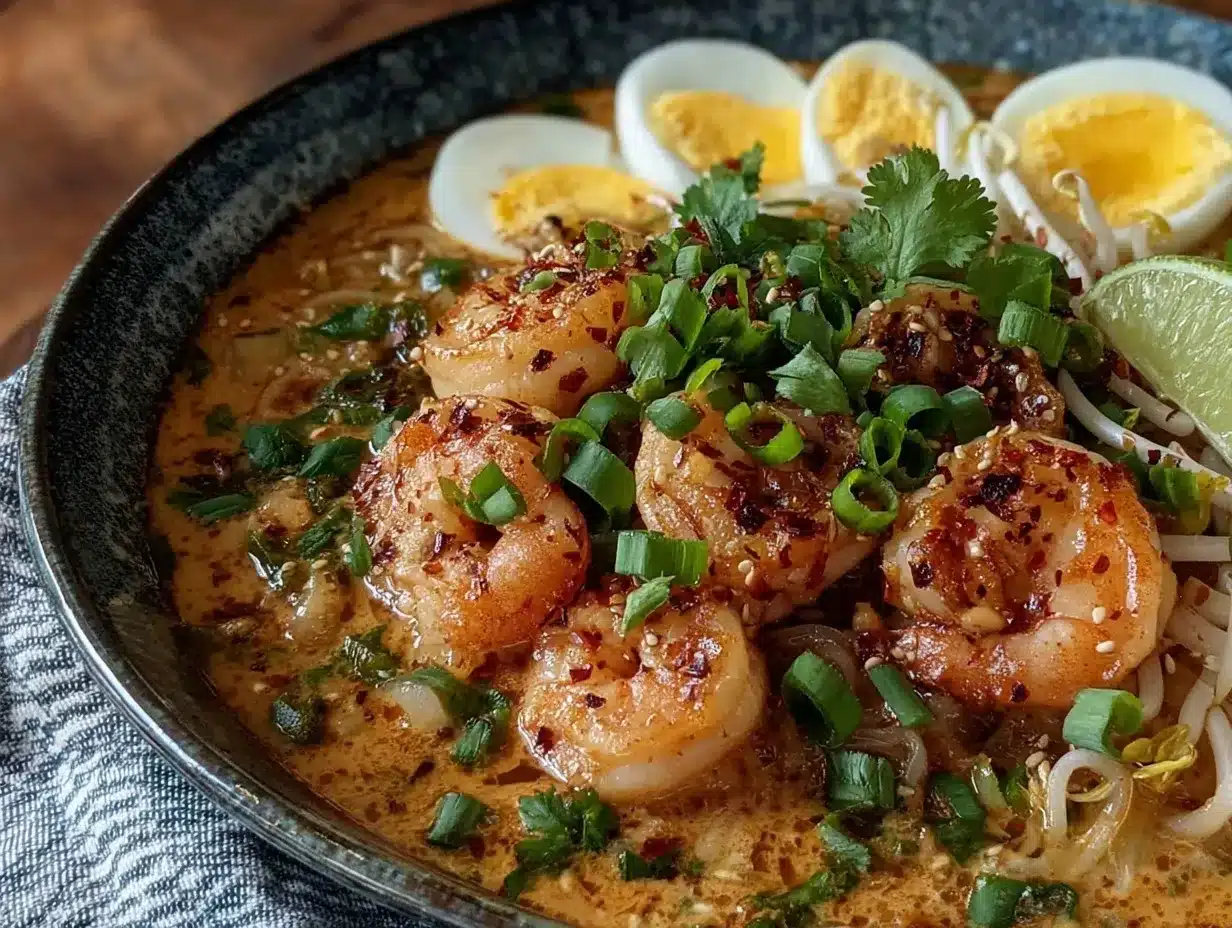
- Make the laksa paste: Combine the red chilies, shallots, garlic, galangal, lemongrass, dried shrimp, coriander, cumin, turmeric, and shrimp paste in a blender or food processor. Blend until smooth, adding a splash of oil or water if needed to help the process. This step takes about 10 minutes. The paste should be fragrant and slightly coarse, not completely liquid.
- Toast the spices (optional but recommended): In a dry pan over medium heat, briefly toast the ground coriander and cumin before adding to the paste. This brings out a smoky, earthy note that lifts the soup. Keep an eye so they don’t burn—about 2-3 minutes is perfect.
- Prepare the broth: Heat 2 tablespoons of oil in a large pot over medium heat. Add the laksa paste and sauté for 3-4 minutes until it darkens and releases its aroma. Pour in the coconut milk and broth, stirring to combine. Bring to a gentle simmer and cook for 15-20 minutes, letting the flavors meld. If the broth looks too thick, add a bit more broth or water.
- Cook your proteins and noodles: While the broth simmers, prepare your toppings. Fry tofu cubes until golden and crisp, or warm up cooked shrimp or shredded chicken. Cook rice vermicelli noodles according to package instructions—usually soaking in hot water for 5-7 minutes works well. Drain and set aside.
- Assemble the soup bowls: Divide the noodles into serving bowls, spoon over tofu and proteins, then ladle the hot laksa broth on top. Garnish with fresh bean sprouts, cilantro, basil, and a wedge of lime. Add a splash of fish sauce or soy sauce if you want extra umami or saltiness.
- Final touches: Taste and adjust seasoning as needed. If you like it hotter, add sliced fresh chilies or a drizzle of chili oil. Serve immediately and enjoy the layers of flavor!
Pro tip: When sautéing the paste, don’t rush. Letting it cook slowly develops depth and prevents that raw spice taste. Also, keep an eye on the consistency of your broth—it should coat the back of a spoon but not be overly thick.
Cooking Tips & Techniques
Getting the laksa just right is about balancing flavors and textures, and a few tricks can make a big difference. First, don’t be afraid to toast your spices before blending; it adds a smoky warmth that pre-ground powders can’t match. When blending the paste, a bit of oil helps achieve a smooth consistency and releases the essential oils better.
Watch your coconut milk carefully as it simmers—it can separate if boiled too hard. Keep the heat gentle and stir occasionally. I learned the hard way that rushing this step leads to a grainy broth, which is a bummer.
For noodles, soak rather than boil for delicate rice vermicelli to avoid mushiness. Timing matters: prepare your toppings while the broth simmers to multitask efficiently. Lastly, fresh herbs and lime at the end brighten the whole bowl, so don’t skip them—they’re the final flourish that makes this dish sing.
Variations & Adaptations
One of the best things about this flavorful Malaysian laksa spicy noodle soup is how adaptable it is.
- Vegetarian version: Skip dried shrimp and shrimp paste; add extra mushrooms or tofu for umami.
- Seafood laksa: Add a mix of shrimp, mussels, and fish balls for a seafood feast.
- Low-carb option: Swap rice noodles for shirataki noodles or spiralized zucchini.
You can also adjust the heat by reducing chilies or adding coconut cream to mellow it out. For a creamier broth, stir in a spoonful of peanut butter or ground peanuts, which some Malaysian recipes use. Personally, I tried swapping chicken broth for vegetable broth once and was surprised how well it held up, making it a great choice for lighter meals.
Serving & Storage Suggestions
Serve this laksa hot, straight from the stove, with fresh lime wedges and herbs on the side. It pairs wonderfully with simple sides like cucumber salad or steamed greens to cut through the richness. I often enjoy it with a cold jasmine tea or a crisp lager to balance the heat.
If you have leftovers, store the broth separately from the noodles to prevent sogginess. Keep broth in an airtight container in the fridge for up to 3 days; noodles last about 1 day best stored dry. Reheat broth gently on the stove—avoid microwaving as the coconut milk can split. Add fresh noodles and toppings just before serving for that freshly made feel.
Flavors develop nicely overnight as the spices meld, so if you can wait a day, the laksa tastes even better the next day.
Nutritional Information & Benefits
This Malaysian laksa combines protein, healthy fats, and fresh herbs, making it a balanced meal. Coconut milk provides medium-chain triglycerides (MCTs), which can support energy, while the fresh herbs offer antioxidants. Rice vermicelli is gluten-free, making this dish suitable for many dietary needs.
Depending on your protein choice—shrimp, tofu, or chicken—you get a good dose of lean protein. The spices, especially turmeric and chili, have anti-inflammatory properties that add a subtle health boost. Just be mindful of sodium if you add fish sauce; you can always adjust to taste.
Conclusion
Flavorful Malaysian laksa spicy noodle soup is one of those dishes that feels like a treat but comes together with surprising ease. It’s packed with layers of taste—from creamy coconut to fragrant herbs and lively spice—that never gets old. What I love most is how flexible it is to suit whatever’s in your fridge or your mood.
Give this recipe a try with your favorite proteins, tweak the spice level, and make it yours. It’s a comforting bowl that welcomes you in after a long day, rains or shine. If you do make it, I’d love to hear how you customize it or what toppings you add—sharing those little tweaks always makes cooking even more fun.
Here’s to many cozy meals filled with bold flavors and good company!
FAQs
What can I use if I don’t have fresh galangal?
You can substitute fresh ginger for galangal. The flavor won’t be exactly the same, but ginger provides a similar warmth and zing.
Is laksa paste spicy? Can I make it milder?
Laksa paste is usually moderately spicy due to the chilies, but you can reduce heat by removing seeds from the chilies or using fewer chilies altogether.
Can I prepare laksa paste ahead of time?
Absolutely! Store laksa paste in an airtight container in the fridge for up to a week or freeze portions for longer storage.
What noodles work best for laksa?
Rice vermicelli noodles are traditional and soak quickly, but you can also use thicker rice noodles or even egg noodles if you prefer.
How do I make this soup vegan?
Skip dried shrimp and shrimp paste in the laksa paste, swap fish sauce for soy sauce or tamari, and use vegetable broth. Add tofu or mushrooms for protein.
Pin This Recipe!
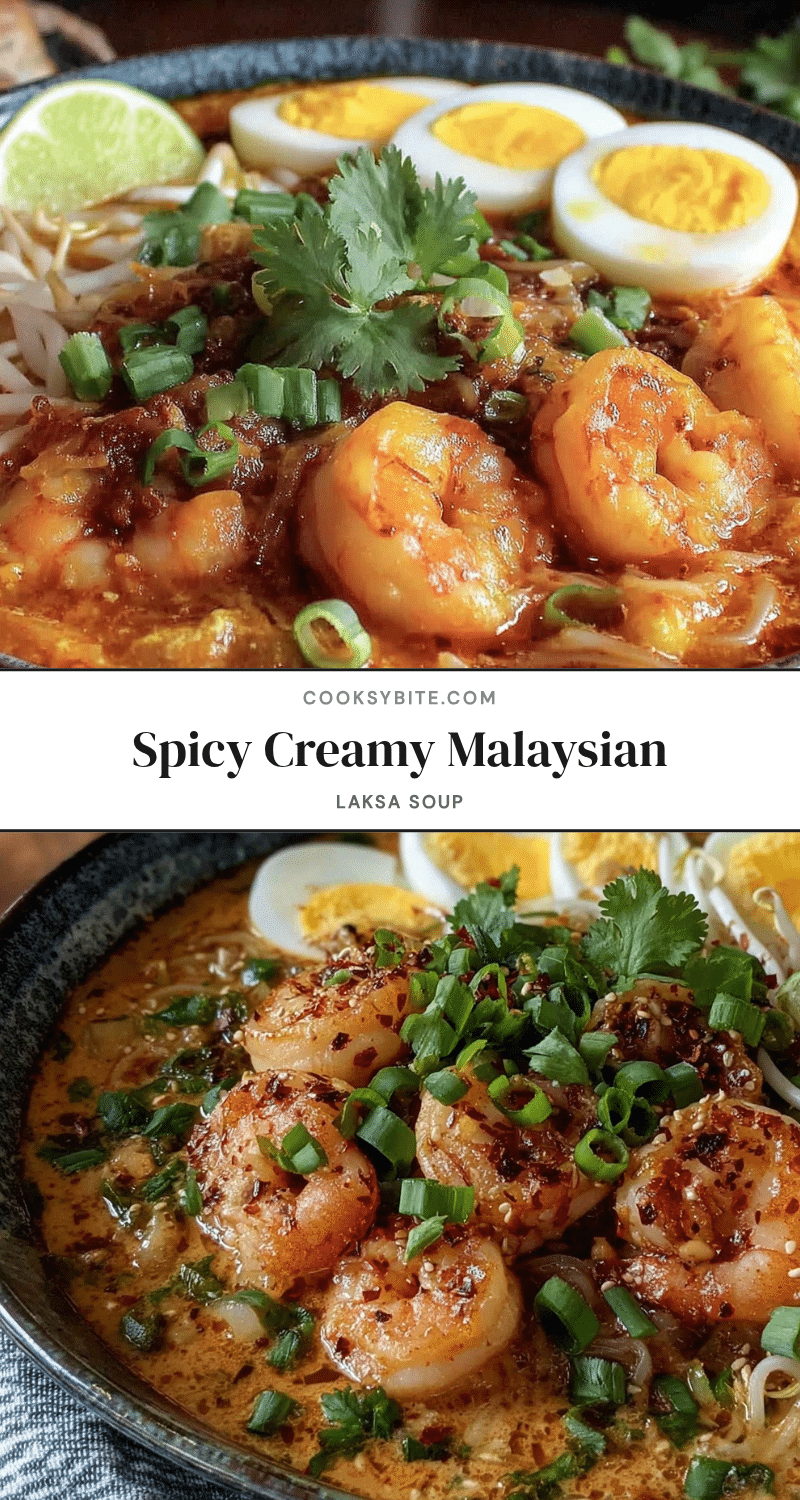
Flavorful Malaysian Laksa Recipe Easy Homemade Spicy Noodle Soup Guide
A comforting and flavorful Malaysian laksa spicy noodle soup featuring a rich coconut milk broth and homemade laksa paste, perfect for cozy nights and quick weeknight meals.
- Prep Time: 15 minutes
- Cook Time: 25 minutes
- Total Time: 40 minutes
- Yield: 4 servings
- Category: Main Course
- Cuisine: Malaysian
Ingredients
- For the Laksa Paste:
- Fresh red chilies, deseeded and chopped (adjust for heat preference)
- Shallots, peeled and chopped
- Garlic cloves
- Fresh galangal or ginger, peeled and sliced
- Lemongrass stalk, white part only, finely chopped
- Dried shrimp (optional, for authentic umami; can omit for vegetarian)
- Ground coriander and cumin (toasted for extra aroma)
- Turmeric powder
- Shrimp paste or miso (adds complexity—choose based on availability)
- For the Soup:
- Coconut milk (full fat for richness)
- Vegetable or chicken broth (homemade or low-sodium store-bought)
- Rice vermicelli noodles (soaked or cooked as per package)
- Firm tofu, cubed and lightly fried (optional protein)
- Cooked shrimp or shredded chicken (optional)
- Bean sprouts (fresh and crunchy)
- Fresh cilantro and Thai basil leaves (for garnish)
- Lime wedges (to brighten the flavors)
- Fish sauce or soy sauce (to taste)
Instructions
- Make the laksa paste: Combine the red chilies, shallots, garlic, galangal, lemongrass, dried shrimp, coriander, cumin, turmeric, and shrimp paste in a blender or food processor. Blend until smooth, adding a splash of oil or water if needed to help the process. This step takes about 10 minutes. The paste should be fragrant and slightly coarse, not completely liquid.
- Toast the spices (optional but recommended): In a dry pan over medium heat, briefly toast the ground coriander and cumin before adding to the paste. This brings out a smoky, earthy note that lifts the soup. Keep an eye so they don’t burn—about 2-3 minutes is perfect.
- Prepare the broth: Heat 2 tablespoons of oil in a large pot over medium heat. Add the laksa paste and sauté for 3-4 minutes until it darkens and releases its aroma. Pour in the coconut milk and broth, stirring to combine. Bring to a gentle simmer and cook for 15-20 minutes, letting the flavors meld. If the broth looks too thick, add a bit more broth or water.
- Cook your proteins and noodles: While the broth simmers, prepare your toppings. Fry tofu cubes until golden and crisp, or warm up cooked shrimp or shredded chicken. Cook rice vermicelli noodles according to package instructions—usually soaking in hot water for 5-7 minutes works well. Drain and set aside.
- Assemble the soup bowls: Divide the noodles into serving bowls, spoon over tofu and proteins, then ladle the hot laksa broth on top. Garnish with fresh bean sprouts, cilantro, basil, and a wedge of lime. Add a splash of fish sauce or soy sauce if you want extra umami or saltiness.
- Final touches: Taste and adjust seasoning as needed. If you like it hotter, add sliced fresh chilies or a drizzle of chili oil. Serve immediately and enjoy the layers of flavor!
Notes
Toast spices before blending for extra aroma. Use gentle heat to simmer coconut milk to avoid separation. Soak rice vermicelli noodles instead of boiling to prevent mushiness. Store broth and noodles separately to maintain texture. Adjust spice level by deseeding chilies or reducing quantity. Substitute ginger for galangal if unavailable. For vegetarian version, omit dried shrimp and shrimp paste, use miso or extra soy sauce.
Nutrition
- Serving Size: 1 bowl (approximatel
- Calories: 350
- Sugar: 4
- Sodium: 700
- Fat: 22
- Saturated Fat: 18
- Carbohydrates: 28
- Fiber: 3
- Protein: 12
Keywords: Malaysian laksa, spicy noodle soup, homemade laksa paste, coconut milk soup, Southeast Asian recipe, easy laksa, vegetarian laksa, seafood laksa