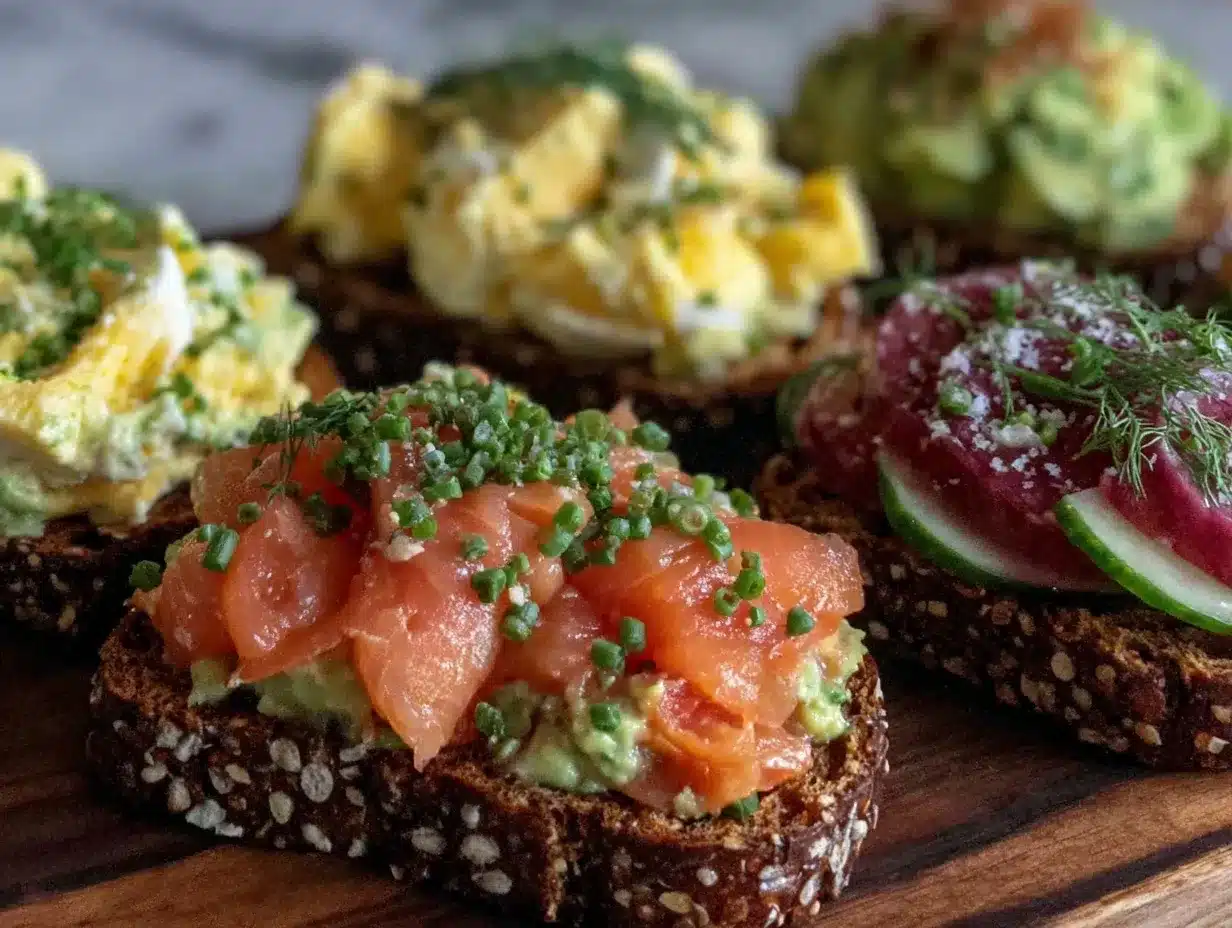
It was one of those rare, quiet Sunday afternoons that made me want something light but satisfying, something that felt a little special but didn’t require a ton of effort. I was scrolling through photos from a recent trip to Copenhagen when I stumbled on a snapshot of a Danish Smørrebrød — that iconic open-faced sandwich layered with fresh, colorful toppings on dense rye bread. Honestly, I wasn’t sure what to expect at first. I’d always thought open-faced sandwiches were a bit… well, underwhelming. But this image sparked something. The vibrant greens, the delicate slices of fish, the sprinkle of herbs — it looked like a tiny edible work of art. I decided to try making fresh Danish Smørrebrød open-faced sandwiches at home that same week, figuring it would be a neat way to bring a bit of that Nordic simplicity into my kitchen.
The first attempt was a bit of a happy accident. I only had a handful of ingredients, and I wasn’t quite sure about the traditional toppings, so I improvised. The result? Layers of flavor that somehow felt fresh, satisfying, and light — exactly what I needed after a week of heavy meals. From that moment, these sandwiches became my go-to when I wanted something fresh and fuss-free. They’re easy to customize, perfect for a casual lunch or an impressive snack when friends drop by unexpectedly. And the best part? They feel like a little celebration of textures and fresh ingredients, one bite at a time.
There’s something quietly satisfying about the way each component plays its part — the rich rye bread, the creamy butter, the fresh herbs, and the bright, tangy toppings. Making fresh Danish Smørrebrød open-faced sandwiches turned into this lovely, almost meditative ritual. You know, the kind that makes you slow down and appreciate the simple things. And I think that’s why this recipe stuck with me — it’s not just food; it’s a small moment of joy, plated beautifully.
Why You’ll Love This Recipe
- Quick & Easy: Comes together in about 20 minutes, perfect when you want something fresh without fussing in the kitchen.
- Simple Ingredients: Uses everyday pantry staples plus fresh produce that you can find at any grocery store or farmer’s market.
- Perfect for Casual Gatherings: Ideal for brunch, light lunches, or even a laid-back dinner with friends.
- Crowd-Pleaser: The combination of creamy, crunchy, and tangy toppings always gets positive feedback—even from picky eaters.
- Unbelievably Delicious: The fresh Danish Smørrebrød open-faced sandwiches stand out because of their balance — no one flavor overwhelms the other.
- This isn’t your run-of-the-mill sandwich. The key to these fresh Danish Smørrebrød open-faced sandwiches lies in layering flavors thoughtfully — buttering the rye bread first to add richness, then topping with pickled and fresh elements for contrast. Every bite has a little crunch, a little tang, and a whole lot of freshness.
- It’s comfort food, but with a twist — light, satisfying, and somehow elegant without trying too hard. Plus, making them feels like you’re part of a cozy Danish tradition, even if just for a moment at your kitchen table.
What Ingredients You Will Need
This recipe uses simple, wholesome ingredients to deliver bold flavor and satisfying texture without the fuss. Most are pantry staples or easily found fresh items. Feel free to swap and customize depending on what’s seasonal or available in your area.
- Rye Bread: Dense, hearty rye bread is a must. Look for a Scandinavian-style loaf or dense pumpernickel. I like the brand Rye & Co. for its authentic texture.
- Unsalted Butter: Softened to spread easily — adds richness and helps the toppings stick.
- Pickled Herring: Traditional topping; you can find it jarred in most grocery stores or specialty shops. If you’re not a fan, smoked salmon works beautifully.
- Hard-Boiled Eggs: Sliced thin for protein and creaminess.
- Fresh Dill: Adds a bright, herbaceous note.
- Red Onion: Thinly sliced, preferably soaked briefly in cold water to mellow the sharpness.
- Cucumber: Thinly sliced for crunch and freshness.
- Radishes: Optional, but they add a peppery crunch that’s lovely.
- Capers: Small bursts of briny flavor.
- Lemon: For a quick squeeze over the top—brightens the whole sandwich.
- Fresh Black Pepper: Ground freshly for seasoning.
- Optional Garnishes: Cherry tomatoes, microgreens, or pickled beets for a colorful touch.
Substitutions: Use smoked trout or cooked shrimp instead of herring if you prefer milder fish flavors. For dairy-free versions, swap butter with a good-quality vegan spread. In summer, swapping pickled herring for fresh cucumber and herbs creates a lighter, refreshing variation.
Equipment Needed
- Sharp Knife: Essential for thinly slicing bread, vegetables, and eggs cleanly.
- Cutting Board: A sturdy surface to prep all your ingredients.
- Small Bowl: For soaking red onions if you want to mellow their flavor.
- Pot: To boil eggs perfectly (medium saucepan works fine).
- Butter Knife or Spreaders: For spreading butter evenly on the rye bread.
- Serving Platter or Board: It really adds to the experience if you arrange your fresh Danish Smørrebrød open-faced sandwiches nicely for sharing or presentation.
If you don’t have a fancy slicing knife, just take your time and use a serrated bread knife for the rye bread. I’ve found that even budget-friendly knives can do a good job if you keep them sharp. For those who love kitchen gadgets, a mandoline slicer can speed up thin slicing cucumbers and radishes, but it’s definitely not necessary.
Preparation Method
- Boil the Eggs: Place 4 large eggs in a pot and cover with cold water by about an inch (approx. 1.5 liters). Bring to a gentle boil, then lower heat and simmer for 9-10 minutes for fully hard-boiled eggs. Cool under cold running water, peel, and slice thinly. (Approx. 15 minutes total)
- Prepare the Veggies: Thinly slice the red onion, then soak in cold water for 10 minutes to reduce sharpness. Slice cucumber and radishes as thinly as possible—aim for paper-thin slices that add crunch but don’t overpower. Drain onions before assembling.
- Slice Rye Bread: Cut 8 slices of rye bread, about 1/2 inch (1.3 cm) thick. Toast lightly if you like a bit of crunch, but traditional versions often serve it untoasted for that dense, chewy texture.
- Butter the Bread: Spread a thin, even layer of softened unsalted butter on each slice. This adds richness and prevents sogginess.
- Layer the Toppings: Start with a base of pickled herring or smoked salmon (about 2-3 oz / 60-85 g per sandwich). Arrange slices of hard-boiled egg on top, followed by cucumber and red onion. Add radishes and capers sparingly for bursts of flavor. Sprinkle fresh dill and a little black pepper over everything.
- Final Touches: Just before serving, squeeze a little fresh lemon juice over the sandwiches to brighten the flavors. Garnish with microgreens or cherry tomatoes if desired.
- Serve Immediately: These fresh Danish Smørrebrød open-faced sandwiches are best enjoyed right away to keep the bread from getting soggy and to savor the fresh textures.
Tip: When layering, think about balance — don’t overload the bread, or it becomes tricky to eat. A few thoughtfully placed ingredients make all the difference. Also, if you’re prepping ahead, keep toppings and bread separate until just before serving.
Cooking Tips & Techniques
One thing I learned quickly is that the choice and condition of your rye bread make or break fresh Danish Smørrebrød open-faced sandwiches. It should be dense but not rock-hard — something that holds toppings without crumbling. I often buy it a day ahead to let it firm up slightly, making it easier to slice thinly.
When boiling eggs, setting a timer is your friend. Overcooked eggs develop that greenish ring and rubbery texture, which nobody wants on their sandwich. Cooling eggs immediately in ice water stops the cooking and makes peeling easier.
Another trick is soaking red onions briefly. It takes the edge off their sharpness but keeps the crunch, which balances the creamy butter and fish.
Don’t forget to spread butter first. It’s a traditional step not just for flavor but also for protecting the bread from soggy toppings. Trust me, skipping this leads to a sad, mushy mess.
Lastly, keep your toppings fresh and cold right up until serving time. The contrast between cool toppings and room temperature bread is part of what makes these sandwiches so refreshing.
Variations & Adaptations
Fresh Danish Smørrebrød open-faced sandwiches are surprisingly adaptable, which makes them a joy to experiment with.
- Vegetarian Version: Swap the fish for sliced boiled potatoes, radishes, and a generous sprinkle of chives and fresh dill. Add a smear of cream cheese mixed with lemon zest for extra creaminess.
- Seasonal Twist: During summer, use fresh dill, cucumbers, and radishes with a little fresh crab meat or shrimp instead of pickled herring. It feels lighter and more summery but just as satisfying.
- Gluten-Free: Use a dense gluten-free rye-style bread or sturdy seeded bread. Make sure your toppings are naturally gluten-free, which they usually are, but always double-check pickled products.
- Personally, I once swapped the traditional butter for a mustard-dill spread I whipped up on a whim. It added a tangy kick that my family loved. It’s fun to tweak the flavor profile, just keep the balance in mind.
Serving & Storage Suggestions
Serve fresh Danish Smørrebrød open-faced sandwiches at room temperature or slightly chilled. They look beautiful arranged on a wooden board or a simple platter, garnished with fresh dill sprigs or edible flowers for a special touch.
These sandwiches pair wonderfully with a crisp, cold lager or a light white wine like a dry Riesling. For a non-alcoholic option, try sparkling water with lemon or a lightly brewed iced tea.
If you have leftovers, wrap them tightly in plastic wrap and store in the refrigerator. Eat within 24 hours for best texture — the bread tends to soften over time. To reheat, if you toasted the bread, you can briefly warm slices in a toaster oven, but add toppings fresh after warming.
Flavors meld nicely if you prepare components in advance and assemble just before eating. The pickled herring and fresh dill keep the taste bright and authentic even after a few hours.
Nutritional Information & Benefits
This recipe offers a balanced combination of protein, healthy fats, and fiber thanks to the rye bread and wholesome toppings. Rye bread is a great source of dietary fiber and has a lower glycemic index than white bread, which helps keep blood sugar steady.
Pickled herring provides omega-3 fatty acids that support heart and brain health. Fresh vegetables add vitamins and antioxidants, while eggs contribute high-quality protein and essential nutrients.
For those watching calories, this recipe is moderate and filling without being heavy — perfect for a light meal or snack. It’s naturally gluten-rich unless you swap bread, so caution if you have sensitivities.
From a wellness perspective, fresh Danish Smørrebrød open-faced sandwiches feel nourishing — a little indulgent but grounded in simple, good ingredients.
Conclusion
Fresh Danish Smørrebrød open-faced sandwiches are more than just a meal; they’re a little celebration of fresh flavors, textures, and simplicity. This recipe works whether you’re craving a quick lunch or want to impress friends with something visually stunning yet uncomplicated. I love how easily it adapts to what’s in my fridge and how it always feels just a bit special without demanding hours in the kitchen.
Try customizing it with your favorite toppings or local ingredients — the possibilities are endless but never overwhelming. Honestly, once you make this a few times, it becomes part of your easy, go-to repertoire for fresh, satisfying meals.
Give it a shot, and don’t be shy about sharing your twists or questions. It’s a recipe that invites a bit of creativity and a lot of enjoyment. Here’s to many happy bites of fresh Danish Smørrebrød open-faced sandwiches!
FAQs
What kind of bread is best for Danish Smørrebrød?
A dense, hearty rye bread or pumpernickel is traditional. It should be firm enough to hold toppings without falling apart.
Can I make these sandwiches ahead of time?
It’s best to assemble just before serving to keep the bread from getting soggy. You can prep toppings and bread separately in advance.
What if I don’t like pickled herring?
Smoked salmon, cooked shrimp, or even sliced boiled potatoes make great alternatives.
Are these sandwiches suitable for gluten-free diets?
Yes, if you use gluten-free rye-style bread and check that all toppings are gluten-free.
How should I store leftovers?
Wrap tightly and refrigerate. Eat within 24 hours for best texture, and add fresh toppings if reheating bread.
Pin This Recipe!
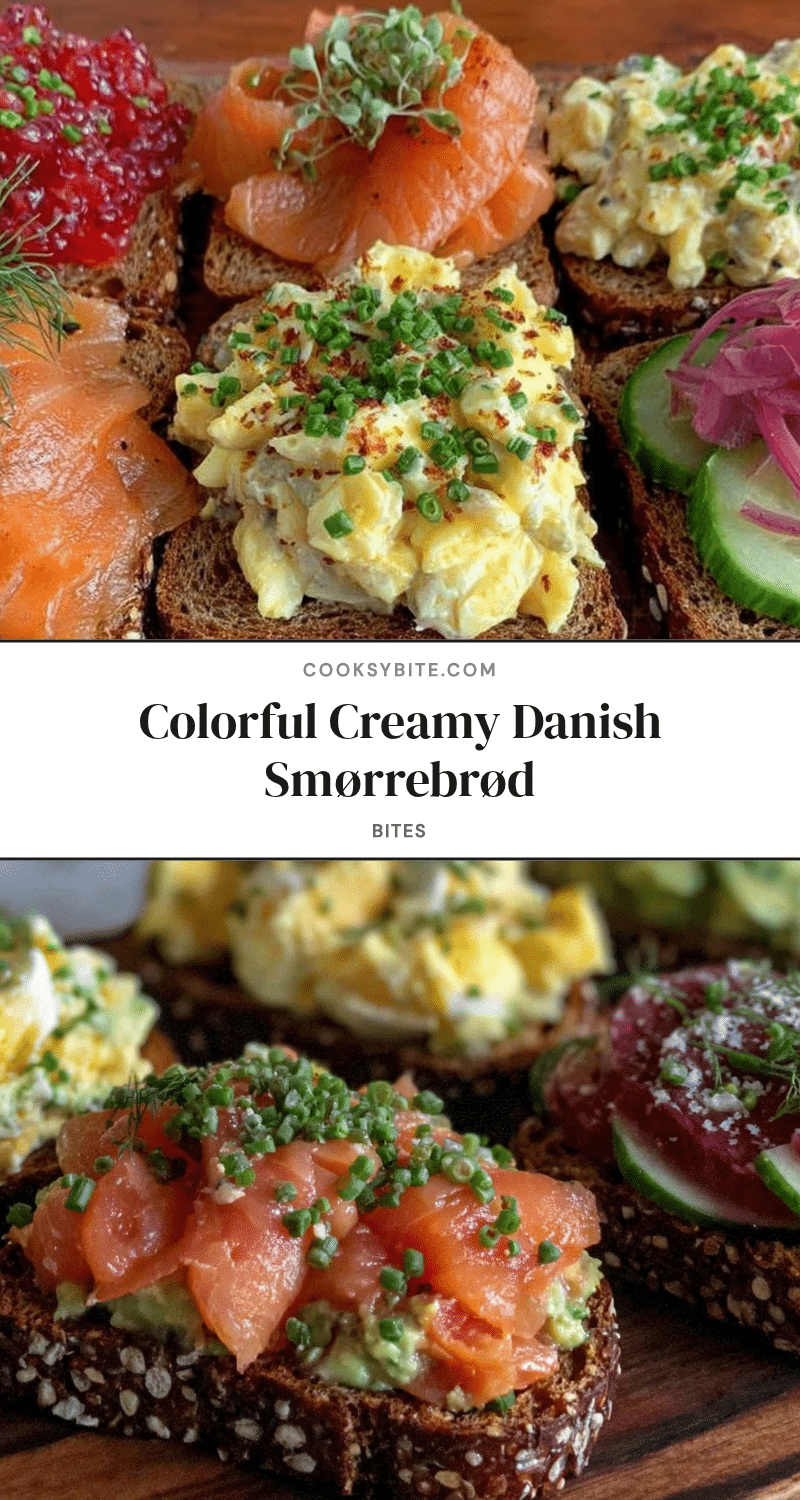
Fresh Danish Smørrebrød Open-Faced Sandwiches

A light, satisfying, and elegant open-faced sandwich featuring dense rye bread layered with creamy butter, pickled herring or smoked salmon, fresh vegetables, and herbs. Perfect for quick lunches or casual gatherings.
- Prep Time: 15 minutes
- Cook Time: 10 minutes
- Total Time: 25 minutes
- Yield: 8 servings 1x
- Category: Main Course
- Cuisine: Danish
Ingredients
- 8 slices dense rye bread (about 1/2 inch thick)
- Unsalted butter, softened for spreading
- Pickled herring (2-3 oz per sandwich) or smoked salmon as alternative
- 4 large hard-boiled eggs, thinly sliced
- Fresh dill
- 1 small red onion, thinly sliced and soaked in cold water
- 1 cucumber, thinly sliced
- Radishes, thinly sliced (optional)
- Capers, sparingly
- Lemon, for squeezing over sandwiches
- Freshly ground black pepper
- Optional garnishes: cherry tomatoes, microgreens, pickled beets
Instructions
- Boil 4 large eggs in a pot covered with cold water by about 1 inch. Bring to a gentle boil, then simmer for 9-10 minutes. Cool under cold running water, peel, and slice thinly.
- Thinly slice red onion and soak in cold water for 10 minutes to mellow sharpness. Drain before assembling.
- Thinly slice cucumber and radishes as thin as possible for crunch.
- Cut 8 slices of rye bread about 1/2 inch thick. Toast lightly if desired, or serve untoasted for traditional texture.
- Spread a thin, even layer of softened unsalted butter on each slice of rye bread.
- Layer toppings starting with pickled herring or smoked salmon (2-3 oz per sandwich), then arrange slices of hard-boiled egg, cucumber, and red onion. Add radishes and capers sparingly.
- Sprinkle fresh dill and freshly ground black pepper over the assembled sandwiches.
- Just before serving, squeeze fresh lemon juice over the sandwiches and garnish with microgreens or cherry tomatoes if desired.
- Serve immediately to enjoy fresh textures and prevent sogginess.
Notes
Use dense rye or pumpernickel bread that holds toppings well. Soak red onions to reduce sharpness but keep crunch. Spread butter first to prevent soggy bread. Assemble just before serving for best texture. Variations include vegetarian toppings or gluten-free bread. Keep toppings fresh and cold until serving.
Nutrition
- Serving Size: 1 open-faced sandwic
- Calories: 250
- Sugar: 3
- Sodium: 450
- Fat: 14
- Saturated Fat: 6
- Carbohydrates: 22
- Fiber: 4
- Protein: 10
Keywords: Danish Smørrebrød, open-faced sandwich, rye bread, pickled herring, smoked salmon, fresh herbs, easy lunch, Scandinavian recipe