“You’ve got to try this lemon cake,” my friend insisted over the phone, her voice crackling with excitement. It was late spring, and we were swapping stories about the unpredictable weather and the small joys that kept us going. I was skeptical—lemon cakes can be hit or miss, and elderflower? That sounded fancy and complicated. But she promised it was easy, something she’d whipped up on a whim after spotting elderflower cordial in her pantry. One bite later, I was hooked. The zing of bright lemon paired with the delicate floral notes of elderflower, all wrapped in a honey-sweetened cream cheese frosting—that combination was unlike anything I’d tasted before.
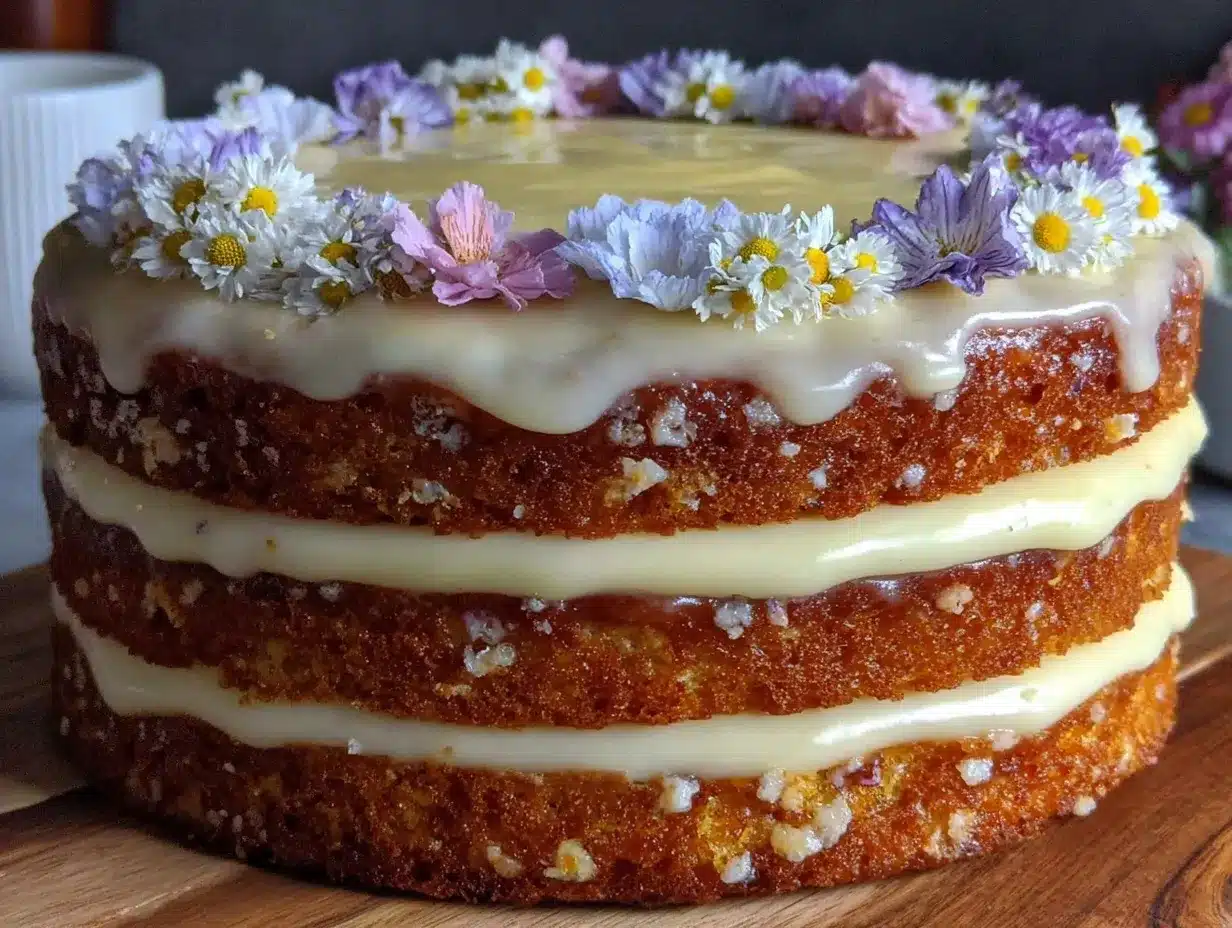
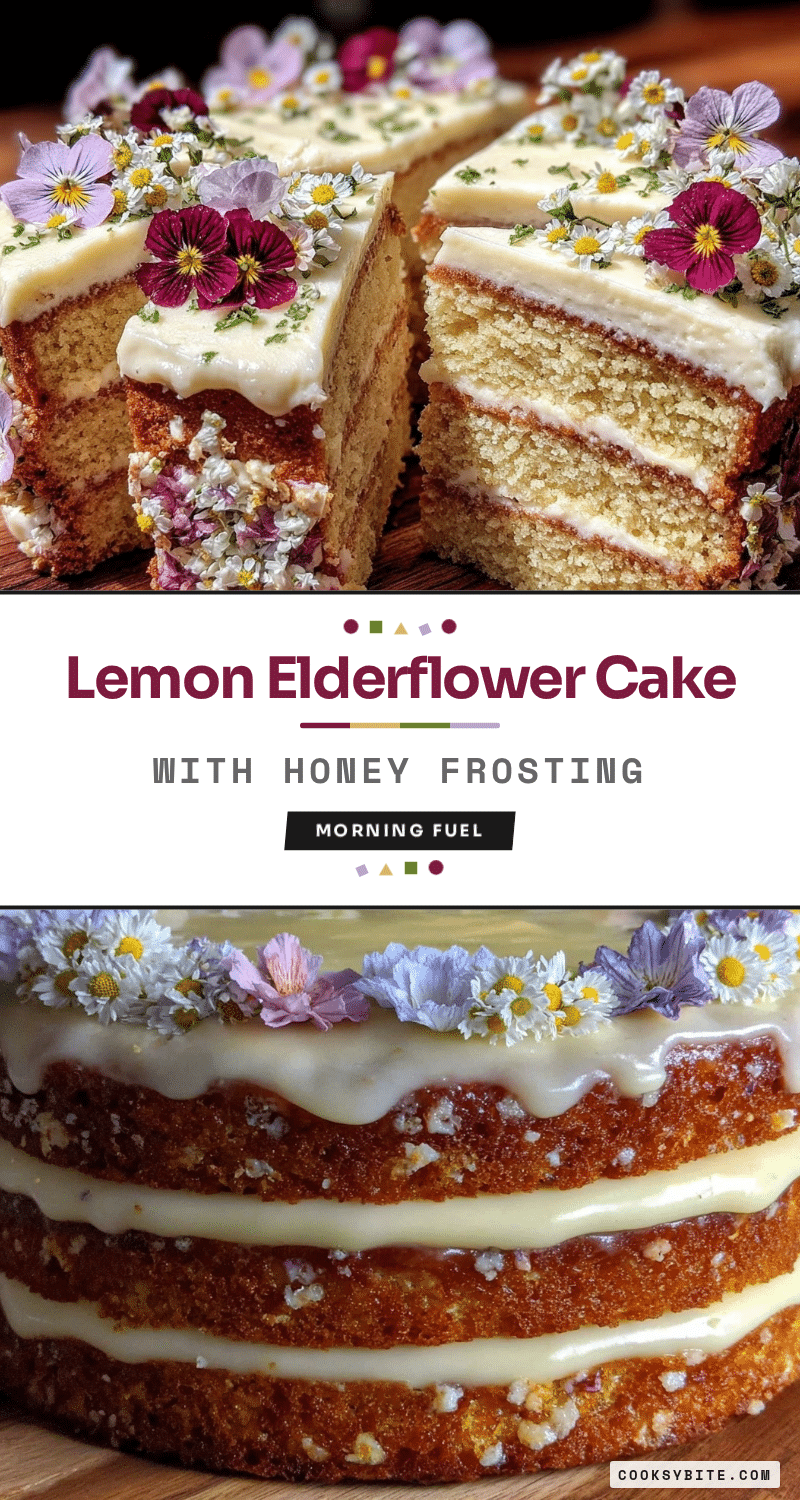
Honestly, I never thought a “naked” cake—barely frosted and rustic—could look so elegant and taste this fresh. There’s something about that subtle balance between tart and sweet, floral and creamy, that feels just right for spring or summer gatherings. It’s the kind of recipe you find yourself making again and again, whether for a sunny afternoon tea or a casual weekend brunch. I’ve made it three times in the last two weeks—and each time, it’s been a quiet little celebration.
What stuck with me is how approachable the recipe is. No fancy equipment, no tricky techniques—just straightforward ingredients coming together to create a cake that’s both impressive and comforting. And that frosting? The honey adds a gentle sweetness that plays perfectly with the tang of the cream cheese, making every forkful feel like a small treat. It’s a cake that invites you to slow down and savor the moment, even if you’re just sneaking a slice after a hectic day.
So if you’re curious about a refreshingly different lemon cake that’s simple yet special, this naked lemon elderflower cake with honey cream cheese frosting might just be your new go-to. It’s my little secret for when I want something beautiful without the fuss—and trust me, it’s worth every crumb.
Why You’ll Love This Recipe
This recipe has become a staple in my kitchen for plenty of reasons, and I think you’ll find them just as convincing once you try it yourself. I’ve tested this lemon elderflower cake multiple times to get the balance just right, and here’s why it stands out:
- Quick & Easy: Ready in under 1 hour from start to finish, perfect for last-minute celebrations or when you crave something sweet but don’t want to spend hours baking.
- Simple Ingredients: You probably already have most of these in your pantry, plus that one special bottle of elderflower cordial that adds a subtle floral twist.
- Perfect for Spring and Summer Occasions: The fresh, light flavors make it a great choice for afternoon teas, bridal showers, or garden parties.
- Crowd-Pleaser: The combination of lemon and honey cream cheese frosting always gets rave reviews from family and friends alike—kids and adults included.
- Unbelievably Delicious: The naked cake style means you get just enough frosting to complement without overwhelming. The crumb stays moist and tender, while the elderflower adds a unique floral note you won’t find in typical lemon cakes.
What really makes this recipe different is the gentle infusion of elderflower cordial in both the cake and the frosting, which adds a refined, aromatic character without being overpowering. Plus, the honey-sweetened cream cheese frosting is a personal favorite tweak I landed on after trying a few different frostings. It’s smoother and less sugary, which lets the natural flavors shine.
This cake isn’t just a dessert; it’s a moment of calm indulgence. Whether you’re impressing guests or treating yourself to something special, it brings a quiet joy that feels both light and satisfying.
What Ingredients You Will Need
This recipe uses simple, wholesome ingredients to deliver bold flavor and satisfying texture without the fuss. Most are pantry staples, with the elderflower cordial being the special touch that transforms it into something memorable.
- For the Cake:
- All-purpose flour – 2 cups (240g), sifted for a light crumb
- Baking powder – 2 teaspoons, to give a gentle rise
- Baking soda – 1/2 teaspoon, balances acidity
- Salt – 1/4 teaspoon, enhances flavor
- Granulated sugar – 1 cup (200g), for sweetness
- Unsalted butter – 1/2 cup (115g), softened (I prefer Kerrygold for its creamy richness)
- Large eggs – 3, at room temperature for better mixing
- Plain yogurt or sour cream – 1/2 cup (120ml), adds moisture and tang
- Fresh lemon juice – 1/4 cup (60ml), freshly squeezed for brightness
- Lemon zest – from 2 medium lemons, finely grated for that fresh citrus punch
- Elderflower cordial – 2 tablespoons, the star ingredient adding subtle floral notes (if you can find a good-quality brand like St-Germain or Belvoir, go for it)
- For the Honey Cream Cheese Frosting:
- Cream cheese – 8 oz (225g), softened (full-fat gives the best texture)
- Unsalted butter – 1/4 cup (57g), softened
- Honey – 1/4 cup (85g), preferably a mild, floral honey like orange blossom
- Powdered sugar – 1 to 1 1/2 cups (120-180g), sifted for smoothness
- Elderflower cordial – 1 tablespoon, to echo the cake’s delicate flavor
- Fresh lemon zest – 1 teaspoon, optional but recommended for extra zing
Substitution tips: Use almond flour for a gluten-free twist, but the texture will be denser. Swap Greek yogurt for sour cream depending on what you have; both work well to keep the cake moist. If you don’t have elderflower cordial, a teaspoon of elderflower syrup or even a splash of elderflower liqueur can work in the frosting—just adjust sweetness accordingly.
Equipment Needed
- Two 8-inch (20cm) round cake pans – non-stick or lined with parchment paper
- Mixing bowls – at least two for wet and dry ingredients
- Electric mixer or handheld whisk – makes creaming butter and sugar easier
- Measuring cups and spoons – for precision (use metal spoons for accuracy)
- Zester or microplane – essential for fresh lemon zest
- Rubber spatula – for folding ingredients gently
- Cooling rack – to let the cakes cool evenly
- Offset spatula or butter knife – for spreading the frosting smoothly
If you don’t have an electric mixer, a sturdy whisk and a little elbow grease will do the job just fine. I’ve made this cake many times with just a handheld whisk when pressed for time or gear. For the zest, a microplane yields the finest results, but a regular grater works in a pinch. Maintaining your pans with a light grease and parchment lining prevents sticking and helps the cake come out cleanly every time.
Preparation Method
- Preheat your oven to 350°F (175°C). Grease two 8-inch (20cm) round cake pans and line the bottoms with parchment paper for easy release. Set aside.
- Mix the dry ingredients: In a medium bowl, sift together 2 cups (240g) all-purpose flour, 2 teaspoons baking powder, 1/2 teaspoon baking soda, and 1/4 teaspoon salt. Whisk to combine evenly. This step ensures a uniform rise and a tender crumb.
- Cream the butter and sugar: In a large bowl, beat 1/2 cup (115g) softened unsalted butter with 1 cup (200g) granulated sugar using an electric mixer on medium speed until pale and fluffy—about 3 to 4 minutes. This aeration is key for a light cake.
- Add the eggs: Crack in 3 large room-temperature eggs, one at a time, beating well after each addition. If your batter looks like it’s curdling, no worries—that’s normal. It will come together once the wet and dry ingredients combine.
- Incorporate wet ingredients: Add 1/2 cup (120ml) plain yogurt or sour cream, 1/4 cup (60ml) fresh lemon juice, and 2 tablespoons elderflower cordial to the bowl. Stir gently to combine.
- Add lemon zest: Fold in the finely grated zest from 2 lemons using a spatula. The zest adds a punch of citrus aroma that’s crucial here.
- Combine dry and wet: Gradually add the dry flour mixture to the wet ingredients in three batches, folding gently after each addition until just combined. Avoid overmixing to keep the cake tender. The batter should be smooth but thick enough to hold its shape.
- Divide and bake: Pour the batter evenly into the prepared pans. Tap the pans lightly on the counter to release any air bubbles. Bake for 28-32 minutes, or until a toothpick inserted into the center comes out clean and the edges start to pull away from the pan.
- Cool completely: Let the cakes cool in the pans for about 10 minutes, then transfer to a wire rack to cool fully. Frosting warm cake can cause melting and sliding, so patience here pays off.
- Prepare the honey cream cheese frosting: Beat together 8 oz (225g) softened cream cheese and 1/4 cup (57g) softened unsalted butter until smooth and creamy. Add 1/4 cup (85g) honey and 1 tablespoon elderflower cordial, mixing until combined. Slowly add 1 to 1 1/2 cups (120-180g) powdered sugar until you reach your preferred sweetness and spreadability. Stir in 1 teaspoon lemon zest, if using.
- Assemble the naked cake: Place one cake layer on your serving plate. Spread a generous layer of frosting on top, then gently place the second cake layer over it. Use the remaining frosting to lightly coat the top and sides of the cake, leaving parts of the cake exposed for that rustic naked look.
- Chill and serve: Chill the cake for at least 30 minutes to let the frosting set. This also helps the flavors meld beautifully.
Troubleshooting tip: If your frosting feels too soft, pop it in the fridge for 10-15 minutes before frosting. If the cake is browning too fast on the edges, cover loosely with foil halfway through baking.
Cooking Tips & Techniques
Getting this naked lemon elderflower cake just right is about a few simple yet important details. Here’s what I’ve learned from trial and error:
- Don’t skip the room temperature step: Eggs and butter at room temp blend more smoothly, preventing curdling and ensuring a tender crumb.
- Fresh lemon zest is non-negotiable: Pre-packaged zest just doesn’t have the same punch. It’s worth the extra minute to zest fresh lemons for that vibrant citrus flavor.
- Folding gently: Overmixing once you add the flour can make the cake dense and tough. Use a spatula and fold with care.
- Temperature matters for frosting: If your cream cheese or butter are too cold or too warm, the frosting won’t whip up nicely. Softened, but still cool, is the sweet spot.
- Use quality honey: The honey flavor comes through in the frosting, so using a mild, floral honey enhances the final taste.
- Multi-task efficiently: While the cakes bake, prepare the frosting and zest your lemons to save time.
One mistake I made early on was frosting the cake when it was still warm, which caused the frosting to melt and slide off. Letting it chill first is key to a neat naked cake appearance.
Variations & Adaptations
This cake is wonderfully adaptable to suit different tastes or dietary needs. Here are some variations I’ve tried or thought about:
- Gluten-Free Version: Swap the all-purpose flour for a gluten-free blend with xanthan gum. The texture is slightly denser but still delicious.
- Vegan Adaptation: Use a vegan butter substitute, plant-based yogurt, and flax eggs (1 tbsp ground flaxseed + 3 tbsp water per egg). Replace cream cheese with a vegan alternative and use powdered sugar without bone char.
- Flavor Twists: Add a handful of fresh blueberries or raspberries folded into the batter for bursts of juicy sweetness (similar to what I did in my mini lemon blueberry cheesecakes).
- Different Frosting: Try a whipped mascarpone frosting with a drizzle of elderflower syrup for a lighter finish.
- Seasonal Adaptation: In cooler months, swap lemon for orange zest and juice, and replace elderflower cordial with a splash of orange blossom water for a cozy twist.
Personally, I love adding a few edible flowers on top when serving outdoors—adds a pretty touch and makes it feel like a celebration.
Serving & Storage Suggestions
This naked lemon elderflower cake is best served chilled or at room temperature, depending on your preference. The flavors soften and meld wonderfully as it sits.
- Serve slices with a dollop of whipped cream or fresh berries for an extra special touch.
- Pairs beautifully with light, floral teas or a crisp glass of sparkling wine—reminds me of the bubbly spritzers I enjoyed alongside the perfect pink champagne jello shots at a recent garden party.
- Store any leftovers in an airtight container in the refrigerator for up to 4 days. The cake actually tastes better after a day as the flavors deepen.
- To reheat, let the cake come to room temperature naturally—microwaving can cause the frosting to melt and get messy.
- For longer storage, the cake layers (without frosting) freeze well wrapped tightly in plastic wrap and foil for up to 2 months. Thaw overnight in the fridge and frost fresh before serving.
Nutritional Information & Benefits
Each slice (assuming 12 slices) contains approximately:
| Calories | Fat | Carbohydrates | Protein | Sugar |
|---|---|---|---|---|
| 310 kcal | 15g | 38g | 5g | 26g |
This cake offers a good dose of vitamin C from fresh lemon, while the yogurt adds protein and probiotics for digestion. Honey provides a natural sweetness with antioxidants, and using real butter and cream cheese delivers satisfying richness without artificial ingredients.
For those mindful of allergens, this recipe contains dairy and eggs but can be adapted for gluten-free or vegan diets as outlined above. The relatively modest sugar level in the honey cream cheese frosting makes it a slightly kinder choice compared to traditional buttercream-heavy cakes.
Conclusion
In the end, this perfect naked lemon elderflower cake with honey cream cheese frosting is one of those recipes that feels both special and accessible. It’s simple enough to whip up on a busy day but elegant enough to serve when you want to impress without stress. I love how the gentle floral notes of elderflower bring a fresh twist to a classic lemon cake, and the honey frosting adds just the right amount of sweetness without overwhelming the palate.
Feel free to tweak it to suit your taste—whether you want it gluten-free, vegan, or with a berry boost. Baking this cake has become one of my favorite ways to celebrate little moments, and I hope it’ll bring a bit of that joy to your kitchen too. If you try it, I’d love to hear how it turns out or what variations you come up with!
Frequently Asked Questions
Can I use bottled lemon juice instead of fresh?
Fresh lemon juice is best for bright, natural flavor and acidity, but bottled juice can be used in a pinch. Just avoid brands with added sugar or preservatives for the best results.
What does ‘naked cake’ mean?
A naked cake is lightly frosted so that some of the cake layers are visible. It gives a rustic, elegant look and lets the cake’s texture shine through without thick layers of frosting.
How do I store leftover cake?
Keep it in an airtight container in the refrigerator for up to 4 days. Let it come to room temperature before serving for the best flavor and texture.
Can I make this cake ahead of time?
Yes! The cake layers can be baked up to 2 days ahead and stored wrapped in plastic wrap. Assemble and frost on the day you plan to serve.
Is elderflower cordial easy to find?
It’s available at most well-stocked grocery stores or online. Brands like St-Germain or Belvoir are popular. If you can’t find it, a teaspoon of elderflower syrup or liqueur can work as a substitute.
Pin This Recipe!
Perfect Naked Lemon Elderflower Cake Recipe with Honey Cream Cheese Frosting
A light and elegant naked lemon cake infused with elderflower cordial and topped with a honey-sweetened cream cheese frosting. Perfect for spring and summer gatherings, this cake balances tart, floral, and creamy flavors in a simple, approachable recipe.
- Prep Time: 20 minutes
- Cook Time: 30 minutes
- Total Time: 50 minutes
- Yield: 12 servings 1x
- Category: Dessert
- Cuisine: American
Ingredients
- 2 cups (240g) all-purpose flour, sifted
- 2 teaspoons baking powder
- 1/2 teaspoon baking soda
- 1/4 teaspoon salt
- 1 cup (200g) granulated sugar
- 1/2 cup (115g) unsalted butter, softened
- 3 large eggs, room temperature
- 1/2 cup (120ml) plain yogurt or sour cream
- 1/4 cup (60ml) fresh lemon juice
- Zest of 2 medium lemons
- 2 tablespoons elderflower cordial
- 8 oz (225g) cream cheese, softened
- 1/4 cup (57g) unsalted butter, softened
- 1/4 cup (85g) honey
- 1 to 1 1/2 cups (120-180g) powdered sugar, sifted
- 1 tablespoon elderflower cordial (for frosting)
- 1 teaspoon fresh lemon zest (optional, for frosting)
Instructions
- Preheat oven to 350°F (175°C). Grease two 8-inch round cake pans and line bottoms with parchment paper.
- In a medium bowl, sift together flour, baking powder, baking soda, and salt. Whisk to combine.
- In a large bowl, beat softened butter and granulated sugar with an electric mixer on medium speed until pale and fluffy, about 3-4 minutes.
- Add eggs one at a time, beating well after each addition.
- Stir in yogurt or sour cream, fresh lemon juice, and elderflower cordial.
- Fold in lemon zest gently with a spatula.
- Gradually add dry ingredients to wet ingredients in three batches, folding gently after each addition until just combined.
- Divide batter evenly between prepared pans. Tap pans lightly to release air bubbles.
- Bake for 28-32 minutes or until a toothpick inserted in the center comes out clean and edges pull away from the pan.
- Cool cakes in pans for 10 minutes, then transfer to wire racks to cool completely.
- For frosting, beat cream cheese and softened butter until smooth and creamy.
- Add honey and elderflower cordial, mixing until combined.
- Gradually add powdered sugar until desired sweetness and spreadability is reached.
- Stir in lemon zest if using.
- Place one cake layer on serving plate. Spread a generous layer of frosting on top.
- Place second cake layer over frosting. Lightly coat top and sides with remaining frosting, leaving parts of the cake exposed for a naked look.
- Chill cake for at least 30 minutes before serving to set frosting and meld flavors.
Notes
Use room temperature eggs and butter for best mixing and tender crumb. Fresh lemon zest is essential for vibrant flavor. Fold dry ingredients gently to avoid dense cake. Chill frosting if too soft before applying. Cover cake edges with foil if browning too fast. Substitute almond flour for gluten-free version and vegan alternatives as needed.
Nutrition
- Serving Size: 1 slice (1/12 of cak
- Calories: 310
- Sugar: 26
- Fat: 15
- Carbohydrates: 38
- Protein: 5
Keywords: lemon cake, elderflower cake, naked cake, honey cream cheese frosting, spring dessert, summer cake, easy lemon cake, floral cake