The last ladle scraped the bottom of the slow cooker, and I still had three hungry people eyeing the pot. That’s when you know you’ve got something good—when the silence at the table gets broken by someone asking if there’s any bread left to soak up the broth. I’d made this cozy slow cooker beef and potato stew on a whim, using up the chuck roast I’d grabbed on sale and a bag of Yukon Golds that were starting to look lonely. Honestly, I wasn’t expecting much. But the way the beef fell apart and the potatoes soaked up all that savory broth? It became one of those recipes I just kept coming back to. It’s not fancy. It’s just right.
This is the kind of meal that fills your kitchen with that deep, beefy smell hours before dinner. You walk in the door, and you already know it’s going to be a good night. It’s a quiet kind of confidence—knowing dinner is handled, and handled well. I’ve tried a dozen stew recipes over the years, but this one sticks. It’s the one I make when I need a win in the kitchen without a lot of effort. And honestly? That’s the best kind of recipe to have in your back pocket.
Why You’ll Love This Recipe
I’ve tested this stew more times than I can count, tweaking the liquid ratio and the cook time until it was just right. Here’s why I keep coming back to it—and why I think you will too.
- Set It and Forget It: This is the ultimate dump-and-go meal. About 15 minutes of prep in the morning, and the slow cooker does the rest. Perfect for busy weekdays or lazy Sundays.
- Simple, Everyday Ingredients: No trips to a specialty store. You need beef, potatoes, carrots, onion, broth, and a few pantry spices. That’s it.
- Deep, Rich Flavor Without the Work: The long, slow cook transforms humble ingredients into something that tastes like you simmered it all day on the stove. The beef becomes melt-in-your-mouth tender, and the broth gets this incredible savory depth.
- Family-Approved Comfort: Hearty, filling, and exactly what you crave on a cold evening. Kids and adults both go back for seconds. It’s a true crowd-pleaser.
- Perfect for Meal Prep: This stew tastes even better the next day. Make a big batch and enjoy it for lunches or quick dinners all week.
What makes this version different from all the other beef stews out there? It’s the way the potatoes break down just enough to thicken the broth naturally, without needing a flour slurry or cornstarch. The Yukon Golds add a buttery richness that russets just can’t match. And the searing step—yes, it’s worth it—builds a layer of flavor that makes the whole dish taste like it’s been simmering for hours on the stove. It’s comfort food made simple, but it doesn’t skimp on taste.
This isn’t just a stew. It’s the kind of meal that makes you slow down, take a deep breath, and actually enjoy your evening. No stress, no fuss—just a bowl of something warm and good.
What Ingredients You Will Need
This recipe uses straightforward ingredients that come together to create something truly special. Most of these are probably already in your kitchen or easy to find at any grocery store.
- Beef Chuck Roast (2 to 2.5 lbs), cut into 1.5-inch cubes: This is my go-to cut for stew. It has enough marbling to stay tender and juicy during the long cook. Don’t use lean cuts like sirloin—they’ll dry out and get tough. I usually grab a chuck roast from the sale bin and cut it myself. It’s cheaper and you get better control over the size.
- Yukon Gold Potatoes (2 lbs), peeled and cut into 1-inch chunks: These are the secret weapon. They hold their shape during cooking but get creamy on the inside, and they naturally thicken the broth as they break down slightly. Russets will fall apart too much, and red potatoes are a bit too waxy. Yukon Golds are the sweet spot.
- Carrots (4 medium), peeled and sliced into 1/2-inch rounds: They add sweetness and color. Baby carrots work in a pinch, but I prefer full-sized carrots for better flavor. Cut them chunky so they don’t disappear into the stew.
- Yellow Onion (1 large), diced: The aromatic base of the stew. It melts into the broth during cooking, adding savory depth without being overpowering.
- Garlic (4 cloves), minced: Fresh garlic makes a difference here. Don’t use the jarred stuff—it has a flat, metallic taste. Take the extra 30 seconds to mince fresh cloves.
- Beef Broth (4 cups), low-sodium: This is the liquid backbone of the stew. I use low-sodium so I can control the salt level. Good-quality broth really does make a difference—I like the brand in the cardboard cartons, not the cans.
- Tomato Paste (2 tablespoons): Adds a subtle tang and deepens the savory flavor. It also helps brown the meat during the searing step. I buy the tube instead of the can—it keeps in the fridge for weeks and you can just squeeze out what you need.
- Worcestershire Sauce (2 tablespoons): This is the umami bomb. It adds a savory, slightly tangy note that makes the beef taste beefier. Don’t skip it.
- Dried Thyme (1 teaspoon): Earthy and slightly floral, thyme is a classic pairing with beef. I use dried because it stands up to the long cook time better than fresh.
- Dried Rosemary (1/2 teaspoon), crushed: A little goes a long way. Rosemary adds a piney, aromatic note that complements the beef beautifully. Crush it between your fingers before adding to release the oils.
- Bay Leaves (2): They add a subtle, herbal depth that you can’t quite identify but would miss if it were gone. Remember to fish them out before serving.
- Salt and Black Pepper (to taste): Season at the end, not the beginning. The broth reduces and concentrates during cooking, so you can oversalt if you add it all at the start.
- Olive Oil (2 tablespoons): For searing the beef. Avocado oil works too, but olive oil adds a nice flavor.
- All-Purpose Flour (2 tablespoons): Optional, for a thicker stew. I usually don’t need it because the potatoes do the work, but if you want a really thick, gravy-like broth, stir this in at the end.
- Fresh Parsley (for garnish): A sprinkle of fresh green at the end makes the bowl look finished. It’s optional but worth it.
Equipment Needed
You don’t need a lot of fancy gear for this recipe, which is part of why I love it. Here’s what you’ll need:
- Slow Cooker (6-quart or larger): This is the star of the show. A 6-quart model is the perfect size for this recipe—big enough to hold everything without overcrowding. If yours is smaller, just reduce the quantities slightly. I’ve had my basic Crock-Pot for years, and it still works perfectly. You don’t need an expensive one.
- Large Skillet or Dutch Oven: For searing the beef. A cast-iron skillet is ideal because it holds heat so well, but any heavy-bottomed pan works. Don’t skip this step—it’s worth the extra dish.
- Cutting Board and Sharp Knife: A good chef’s knife makes cutting the beef and vegetables so much easier. A dull knife is not only frustrating, it’s actually more dangerous. Take a minute to sharpen yours.
- Measuring Cups and Spoons: For accuracy. I know some people eyeball it, but for the liquid ratio, measuring really helps.
- Wooden Spoon or Spatula: For stirring and scraping up the browned bits from the skillet. Those bits are pure flavor.
- Tongs: For turning the beef while searing. Much easier than a fork.
If you don’t have a slow cooker, you can make this in a Dutch oven on the stovetop or in the oven at 325°F for about 2.5 to 3 hours. Just keep an eye on the liquid level.
Preparation Method
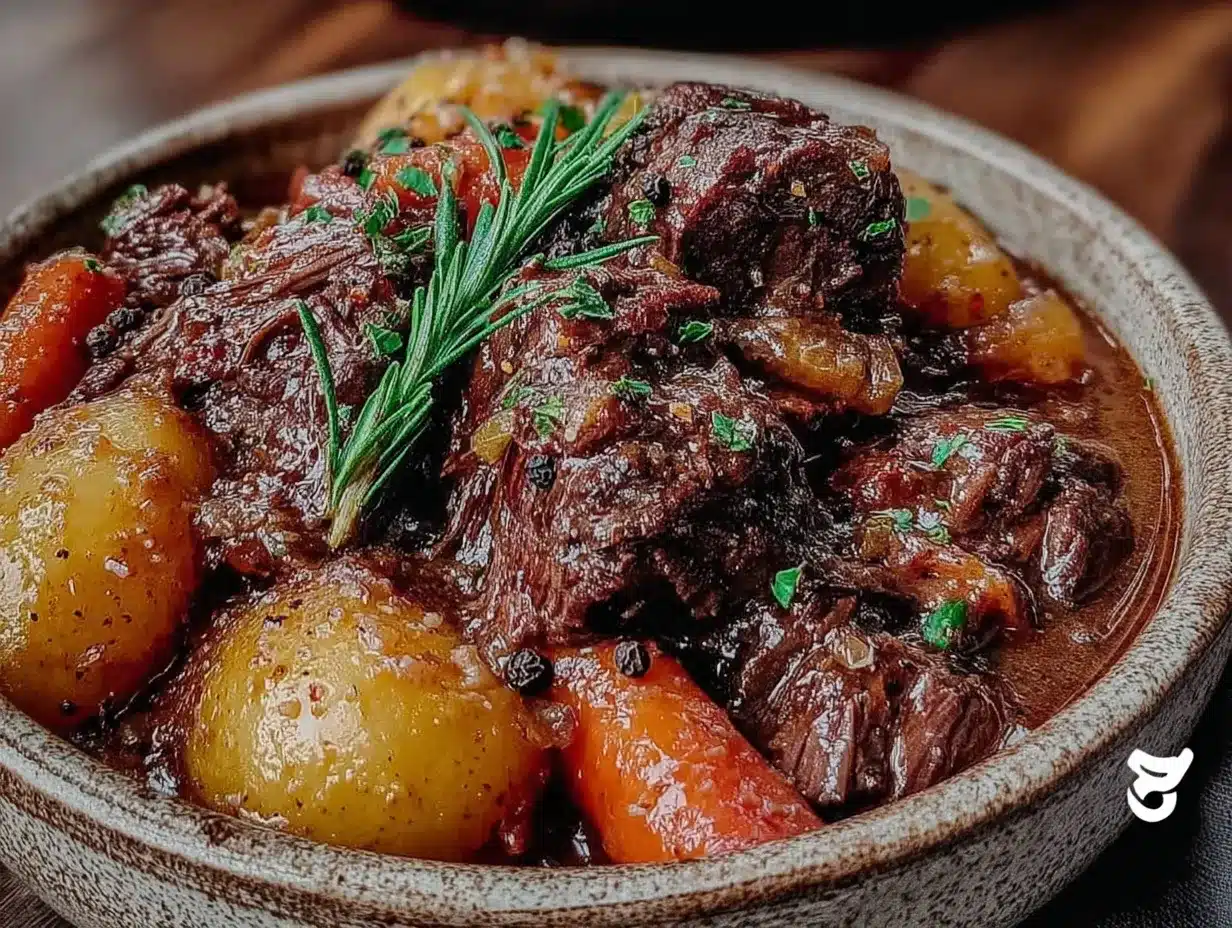
Let’s get cooking. This recipe is simple, but a few key steps make all the difference. Follow along, and you’ll have a pot of stew that tastes like you fussed all day.
- Prep the Beef (10 minutes): Pat the beef cubes dry with paper towels. This is crucial—wet meat won’t sear, it’ll steam. Season them generously with salt and pepper. Don’t be shy here. The seasoning at this stage builds the foundation of flavor.
- Sear the Beef (15 minutes): Heat the olive oil in a large skillet over medium-high heat until it shimmers. Working in batches so you don’t crowd the pan, add the beef cubes in a single layer. Let them cook without moving for 3-4 minutes, until a deep brown crust forms. Flip and sear the other sides. The goal is color, not cooking through. Transfer the seared beef to the slow cooker. If the pan looks dry between batches, add a splash more oil.
- Build the Flavor Base (5 minutes): Reduce the heat to medium. Add the diced onion to the same skillet (don’t wipe it out—all those browned bits are flavor). Cook for 2-3 minutes, stirring occasionally, until the onion softens and starts to turn golden. Add the minced garlic and cook for 30 seconds, just until fragrant. Scrape up any browned bits from the bottom of the pan with your wooden spoon. This is called deglazing, and it’s where the magic happens.
- Add the Tomato Paste (2 minutes): Stir in the tomato paste and cook for 1-2 minutes, stirring constantly. It will darken and smell amazing. This step cooks out the raw tomato flavor and deepens the savory notes.
- Deglaze with Broth (1 minute): Pour about 1/2 cup of the beef broth into the skillet and stir, scraping up every last bit of flavor from the bottom. Pour this entire mixture into the slow cooker over the beef.
- Layer the Vegetables (5 minutes): Add the carrots and potatoes to the slow cooker. Don’t stir them in yet—just layer them on top. This helps the potatoes stay intact during the long cook. Add the Worcestershire sauce, dried thyme, crushed rosemary, and bay leaves.
- Add the Remaining Broth (1 minute): Pour the remaining 3.5 cups of beef broth over everything. Give it a gentle stir, just to distribute the herbs and seasonings. The liquid should come about halfway up the ingredients—it doesn’t need to cover them completely. The vegetables and beef will release their own juices as they cook.
- Cook Low and Slow (6-8 hours on LOW or 4-5 hours on HIGH): Cover and cook. I strongly recommend LOW for the best texture. The beef becomes incredibly tender, and the flavors have time to meld and deepen. If you’re in a rush, HIGH works, but the beef won’t be quite as melt-in-your-mouth tender.
- Check for Doneness (5 minutes): The stew is ready when the beef is fork-tender—it should shred easily with a gentle pull. The potatoes should be soft but still hold their shape. If the beef isn’t quite there yet, cook for another 30-60 minutes.
- Thicken the Broth (Optional, 5 minutes): If you prefer a thicker stew, remove about 1/2 cup of the hot liquid and whisk it with 2 tablespoons of all-purpose flour until smooth. Stir this slurry back into the slow cooker and cook on HIGH for 15-20 minutes, until the broth thickens. You can also use a potato masher to gently mash a few of the potatoes right in the pot—this thickens the broth naturally.
- Season and Serve (5 minutes): Remove the bay leaves. Taste the stew and adjust the seasoning with salt and pepper. Remember, the flavors have concentrated, so you might need less than you think. Ladle into bowls and garnish with fresh parsley.
Cooking Tips & Techniques
I’ve made this stew more times than I can count, and I’ve learned a few things along the way—usually by making mistakes. Here’s what I wish someone had told me.
- Don’t Skip the Searing: I know it’s an extra step and an extra pan to wash. I get it. But that brown crust on the beef is where the deep, savory flavor comes from. It’s the difference between a good stew and a great one. If you’re really short on time, you can skip it, but the stew will be noticeably less flavorful. Trust me on this one.
- Cut the Vegetables Uniformly: This isn’t about being fancy—it’s about even cooking. If some potato chunks are twice as big as others, they’ll be unevenly cooked. Aim for 1-inch pieces, and try to keep them all roughly the same size.
- Resist the Urge to Stir: I know it’s tempting to lift the lid and give it a stir. Don’t. Every time you open the lid, you let out heat and steam, which adds 20-30 minutes to the cooking time. Let the slow cooker do its job. The only exception is if you’re checking for doneness near the end.
- Season at the End: This is a lesson I learned the hard way. I once added a full teaspoon of salt at the beginning, and by the end, the stew was way too salty because the broth had reduced. Season lightly at the start, then adjust at the end.
- Use Low for Best Results: I know HIGH is tempting when you’re hungry, but LOW gives you that fall-apart texture. The gentle heat breaks down the collagen in the beef slowly, resulting in meat that’s tender, not tough. Plan ahead and use LOW.
- Let It Rest: If you have time, let the stew sit in the slow cooker on WARM for 30 minutes before serving. The flavors continue to meld, and the texture improves. It’s worth the wait.
Variations & Adaptations
This stew is a great base recipe that you can tweak to suit your taste or what you have on hand. Here are some of my favorite variations.
- Make It Gluten-Free: Skip the flour slurry at the end. The potatoes will naturally thicken the broth enough. Or use a gluten-free all-purpose flour blend if you want that extra thickness. The rest of the recipe is naturally gluten-free, just double-check your Worcestershire sauce—some brands contain gluten.
- Add More Veggies: This is a great way to use up what’s in your crisper drawer. Add a cup of frozen peas in the last 30 minutes of cooking. Toss in some chopped celery with the onions. Or add a parsnip or two along with the carrots for a slightly sweeter, earthier flavor. I’ve also added chopped mushrooms for extra umami—they’re amazing.
- Make It Spicy: Add a pinch of red pepper flakes with the herbs, or stir in a chopped chipotle pepper in adobo sauce for a smoky heat. It’s not traditional, but it’s delicious.
- Swap the Protein: You can use beef stew meat (pre-cut) if you’re in a hurry, but check the pieces—sometimes they’re cut too small and can get tough. Lamb works beautifully here too, especially shoulder. Just increase the cook time slightly.
- Herb Variations: If you don’t have thyme and rosemary, try a teaspoon of dried oregano or a couple of sprigs of fresh sage. Italian seasoning works in a pinch too.
- Make It a One-Pot Meal: Add a cup of frozen corn or green beans in the last hour of cooking for extra color and nutrition. It turns the stew into a complete meal all by itself.
I once added a splash of red wine to the skillet after deglazing with broth, and it was incredible. Just a 1/4 cup of a dry red like Cabernet Sauvignon adds another layer of complexity. If you try it, let me know what you think.
Serving & Storage Suggestions
This stew is wonderful on its own, but a few simple additions can make it feel like a special meal. Here’s how I like to serve and store it.
- Serving Temperature: Serve it piping hot, straight from the slow cooker. Ladle into deep bowls so the broth doesn’t spill. A generous sprinkle of fresh parsley on top adds a pop of color and freshness.
- Perfect Pairings: A chunk of crusty bread is non-negotiable in my house. It’s perfect for soaking up every last drop of that savory broth. A simple side salad with a lemony vinaigrette cuts through the richness nicely. For a heartier meal, serve it over egg noodles or mashed potatoes—yes, potatoes on potatoes is a thing, and it’s glorious.
- Drink Pairings: A full-bodied red wine like a Zinfandel or a Malbec pairs beautifully with the rich beef flavors. For a non-alcoholic option, a dark, malty root beer or a tart apple cider works surprisingly well.
- Storage Instructions: Let the stew cool completely before storing. Transfer it to an airtight container and refrigerate for up to 4 days. The flavors actually get better after a day or two as they meld together. It’s the perfect make-ahead meal for busy weeks.
- Freezer Instructions: This stew freezes beautifully. Portion it into freezer-safe containers or zip-top bags, leaving about an inch of headroom for expansion. It will keep for up to 3 months. Thaw overnight in the refrigerator before reheating.
- Reheating Instructions: Reheat gently on the stovetop over medium-low heat, stirring occasionally. Add a splash of broth or water if the stew has thickened too much. You can also reheat individual portions in the microwave—just cover the bowl and heat in 1-minute intervals, stirring between each.
- Flavor Development: I actually prefer this stew on day two. The flavors have had time to settle and deepen, and the texture is even better. If you can, make it a day ahead and reheat it for dinner. Your future self will thank you.
Nutritional Information & Benefits
This stew is hearty comfort food, but it also has some solid nutritional benefits. Here’s a rough breakdown per serving (based on 8 servings).
| Nutrient | Amount Per Serving |
|---|---|
| Calories | ~380-420 |
| Protein | 32g |
| Fat | 14g |
| Carbohydrates | 32g |
| Fiber | 5g |
| Sugar | 6g |
| Sodium | ~700mg (varies with broth and added salt) |
| Iron | 25% of Daily Value |
| Vitamin A | 80% of Daily Value (from carrots) |
| Vitamin C | 20% of Daily Value (from potatoes) |
Health Benefits: The beef provides high-quality protein and iron, which is important for energy and healthy blood. The carrots are packed with beta-carotene, which your body converts to vitamin A for good vision and immune function. Potatoes get a bad rap, but they’re actually a good source of vitamin C, potassium, and fiber—especially if you leave the skins on (which I don’t recommend for this recipe, but you can if you prefer).
Dietary Considerations: This recipe is naturally dairy-free and nut-free. To make it gluten-free, simply skip the flour slurry or use a gluten-free flour blend. It’s also relatively low in added sugars—the sweetness comes naturally from the carrots and onions.
Allergen Note: This recipe contains gluten if you use the flour slurry. It also contains Worcestershire sauce, which sometimes contains anchovies (fish). Check your labels if you have allergies.
I love that this stew feels indulgent but is actually a balanced meal. It’s the kind of food that fills you up without weighing you down.
Frequently Asked Questions
Can I use frozen beef in the slow cooker?
I don’t recommend it. Frozen meat takes too long to come to a safe temperature in the slow cooker, which can lead to uneven cooking and food safety issues. Always thaw beef completely in the refrigerator before searing and adding to the slow cooker.
Why is my stew watery?
This usually happens if you added too much broth or if the potatoes didn’t break down enough. Next time, use less liquid—the vegetables and beef release their own juices. For this batch, you can thicken it with a flour slurry or mash a few potatoes right in the pot.
Can I cook this on the stovetop instead?
Absolutely. Use a Dutch oven and follow the same steps, but after adding the broth, bring it to a simmer, then reduce the heat to low, cover, and cook for 2.5 to 3 hours, until the beef is tender. Check the liquid level occasionally and add more broth if needed.
How do I make this in an Instant Pot?
Use the sauté function to sear the beef and cook the onions. Then add the remaining ingredients, close the lid, and cook on HIGH pressure for 35 minutes, followed by a 15-minute natural release. The texture will be slightly different, but it’s still delicious.
Can I add other vegetables like celery or parsnips?
Yes, absolutely. Celery, parsnips, turnips, and even sweet potatoes all work well. Just cut them to the same size as the potatoes for even cooking. Add delicate vegetables like peas or green beans in the last 30 minutes so they don’t get mushy.
Conclusion
This cozy slow cooker beef and potato stew is the kind of recipe that earns a permanent spot in your rotation. It’s simple enough for a busy Tuesday but impressive enough to serve to company. The beef comes out fork-tender, the broth is rich and savory, and the whole thing comes together with minimal effort. It’s comfort food at its finest—no stress, no fuss, just a bowl of something warm and deeply satisfying.
I love that this stew is endlessly adaptable. Add more vegetables, swap the herbs, or make it your own with a splash of wine or a pinch of spice. The base recipe is solid, but it’s also a canvas for your own creativity. That’s what makes it so special.
If you make this cozy slow cooker beef and potato stew, I’d love to hear about it. Leave a comment below and let me know how it turned out. Did you add any twists? What did you serve with it? Your feedback helps other readers too. And if you’re looking for more comforting, easy recipes, this decadent red wine chocolate cake is the perfect way to end a meal built around this stew. Happy cooking!
Pin This Recipe!
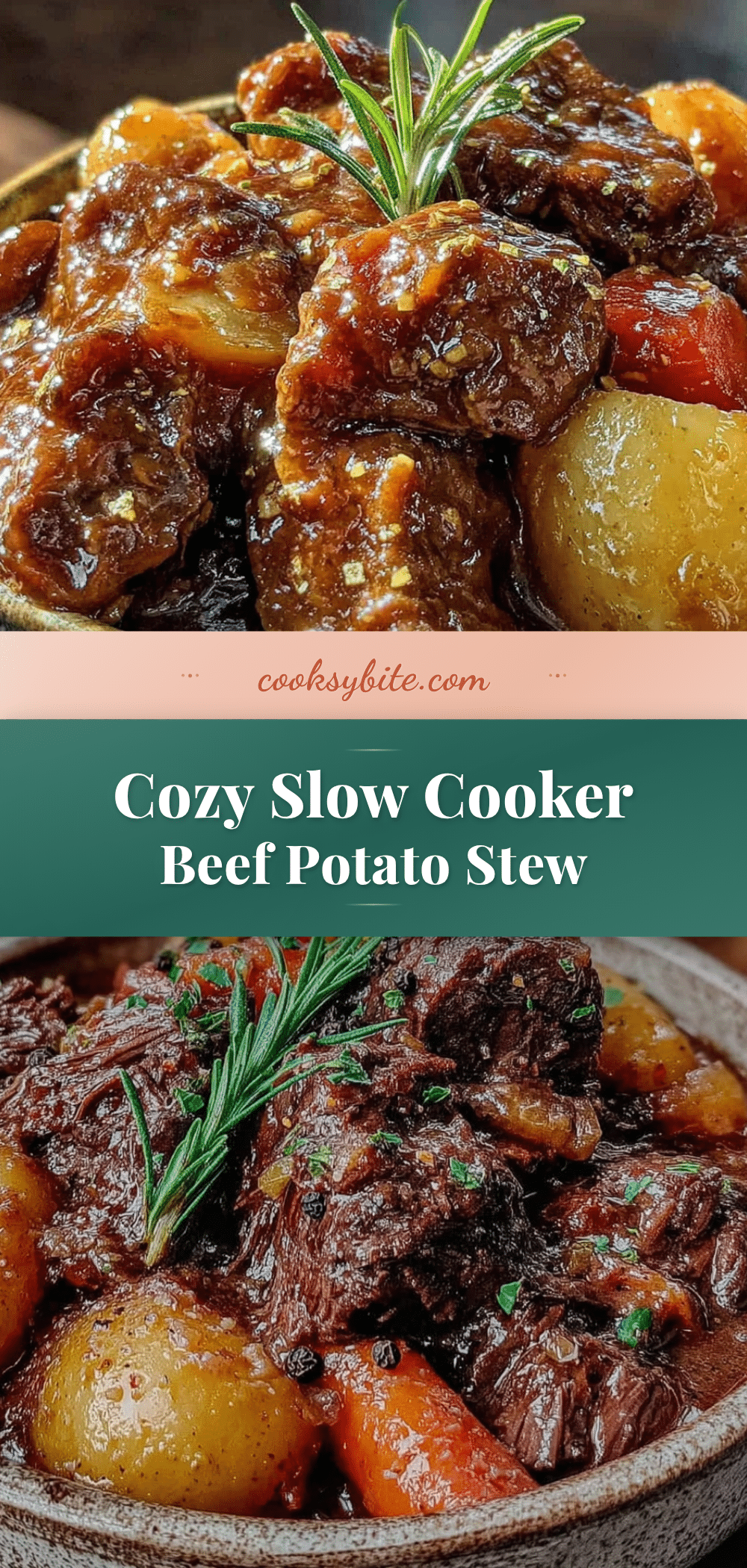
Best Easy Cozy Slow Cooker Beef and Potato Stew Recipe
A hearty, comforting slow cooker beef and potato stew with melt-in-your-mouth beef, creamy Yukon Gold potatoes, and a rich, savory broth. Perfect for busy weeknights or lazy Sundays.
- Prep Time: 15 minutes
- Cook Time: 6-8 hours (LOW) or 4-5 hours (HIGH)
- Total Time: 6 hours 15 minutes to 8 hours 15 minutes
- Yield: 8 servings 1x
- Category: Main Course
- Cuisine: American
Ingredients
- 2 to 2.5 lbs beef chuck roast, cut into 1.5-inch cubes
- 2 lbs Yukon Gold potatoes, peeled and cut into 1-inch chunks
- 4 medium carrots, peeled and sliced into 1/2-inch rounds
- 1 large yellow onion, diced
- 4 cloves garlic, minced
- 4 cups low-sodium beef broth
- 2 tablespoons tomato paste
- 2 tablespoons Worcestershire sauce
- 1 teaspoon dried thyme
- 1/2 teaspoon dried rosemary, crushed
- 2 bay leaves
- Salt and black pepper to taste
- 2 tablespoons olive oil
- 2 tablespoons all-purpose flour (optional, for thickening)
- Fresh parsley for garnish
Instructions
- Pat the beef cubes dry with paper towels and season generously with salt and pepper.
- Heat olive oil in a large skillet over medium-high heat. Sear the beef in batches until a deep brown crust forms on all sides, about 3-4 minutes per side. Transfer to the slow cooker.
- Reduce heat to medium. Add diced onion to the same skillet and cook for 2-3 minutes until softened. Add minced garlic and cook for 30 seconds until fragrant.
- Stir in tomato paste and cook for 1-2 minutes, stirring constantly.
- Pour about 1/2 cup of beef broth into the skillet, scraping up browned bits. Pour this mixture into the slow cooker over the beef.
- Layer carrots and potatoes on top of the beef in the slow cooker. Add Worcestershire sauce, dried thyme, crushed rosemary, and bay leaves.
- Pour the remaining 3.5 cups of beef broth over everything. Gently stir to distribute herbs and seasonings.
- Cover and cook on LOW for 6-8 hours or on HIGH for 4-5 hours, until beef is fork-tender and potatoes are soft.
- If desired, thicken the broth: remove 1/2 cup hot liquid, whisk with 2 tablespoons all-purpose flour until smooth, then stir back into the slow cooker. Cook on HIGH for 15-20 minutes until thickened.
- Remove bay leaves. Season with salt and pepper to taste. Ladle into bowls and garnish with fresh parsley.
Notes
Searing the beef is crucial for deep flavor. Use LOW for best texture. Season at the end to avoid over-salting. Let the stew rest on WARM for 30 minutes before serving for best flavor. The stew tastes even better the next day.
Nutrition
- Serving Size: 1 serving (about 1.5
- Calories: 400
- Sugar: 6
- Sodium: 700
- Fat: 14
- Saturated Fat: 5
- Carbohydrates: 32
- Fiber: 5
- Protein: 32
Keywords: slow cooker beef stew, beef and potato stew, cozy stew, comfort food, easy stew recipe, slow cooker recipe