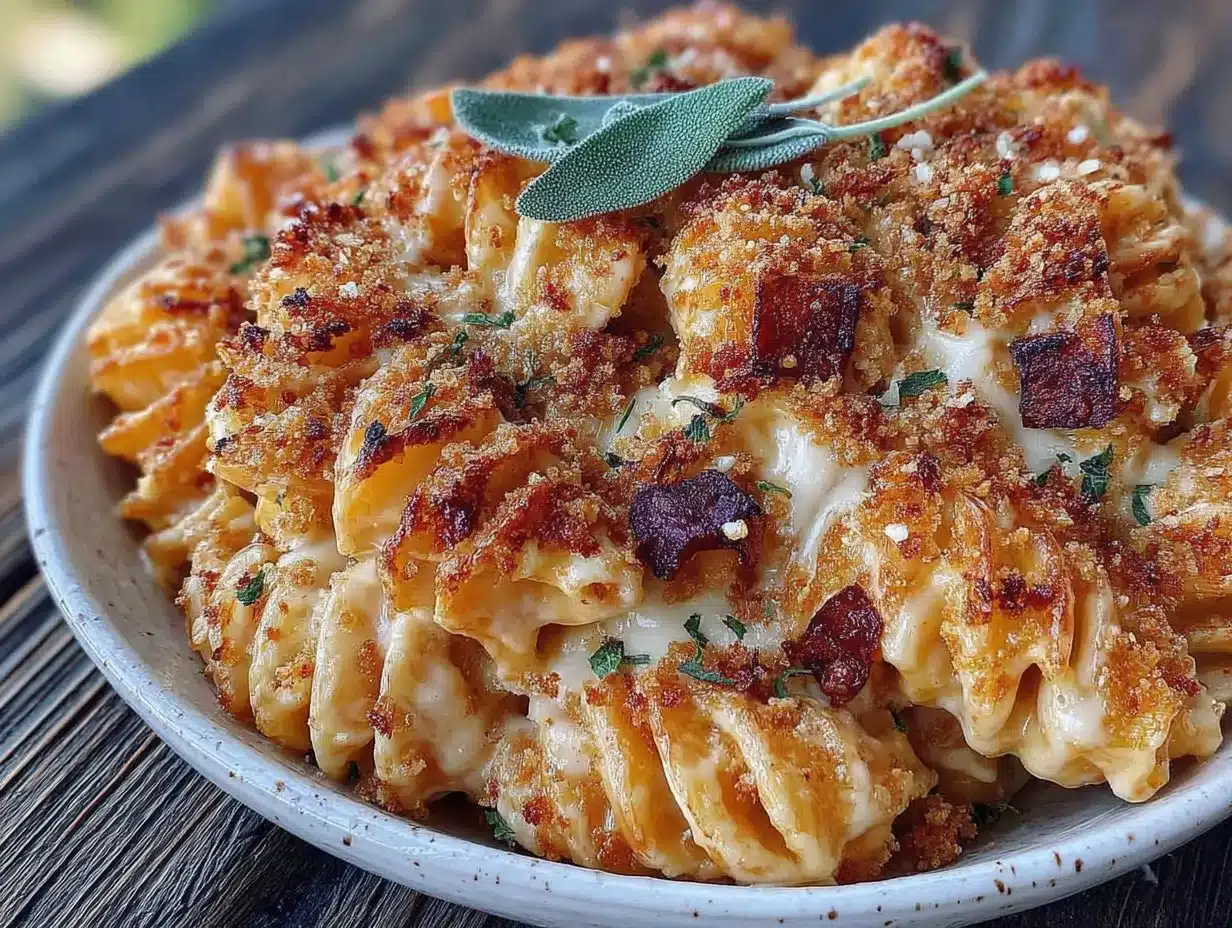
Third time this week I’d made roasted butternut squash mac and cheese, and this time I finally didn’t curse the cheese grater. The first attempt was a gluey disaster—too much squash, not enough salt, and a sauce that looked like baby food. The second time, I overcompensated with sharp cheddar and ended up with an oily mess. But this third batch? The sauce clung to the pasta like it had something to prove, and the top was bronzed and crisp in all the right places. I stood at the counter eating it straight from the baking dish with a fork, not even bothering with a plate. That’s when I knew the recipe was ready.
This isn’t one of those “healthy swaps” that tastes like a compromise. This is mac and cheese that happens to have a vegetable in it, not a vegetable dish pretending to be mac and cheese. The butternut squash gets roasted until it’s caramelized and sweet, then blended into a velvety sauce that coats every piece of pasta without being heavy. It’s the kind of meal that feels indulgent but leaves you feeling satisfied instead of sluggish. And honestly? It’s the only way I’ll make mac and cheese now.
Why You’ll Love This Recipe
I’ve tested this recipe more times than I care to admit—including one memorable failure where the sauce broke because I added the cheese too fast while the burner was still on high. (Pro tip: heat off, patience on.) This version is the result of all those trials, and it’s the one I keep coming back to.
- Quick & Easy: From start to table in about 45 minutes, and most of that is hands-off roasting time.
- Simple Ingredients: No cashew cream, no nutritional yeast, no obscure health food store finds. Just real food you can buy at any grocery store.
- Perfect for Fall Gatherings: This is the dish people ask for at Friendsgiving, potlucks, and cozy Sunday dinners.
- Crowd-Pleaser: I’ve served this to kids, picky eaters, and cheese snobs. Everyone goes back for seconds.
- Unbelievably Delicious: The roasted squash adds a natural sweetness that balances the sharp cheddar, and the panko topping gives it that essential crunch.
What makes this recipe different is the technique. Instead of boiling the squash or using canned puree, I roast it with garlic and a little olive oil until it’s deeply caramelized. That step alone transforms the flavor from bland to complex. And instead of a flour-based roux, I use a small amount of cornstarch to thicken the sauce, which keeps it gluten-free friendly and gives it a silky texture that doesn’t get gummy when reheated.
This isn’t just good “for a healthy mac and cheese.” It’s good, period. The kind of good that makes you close your eyes after the first bite.
What Ingredients You Will Need
This recipe uses simple, wholesome ingredients to deliver bold flavor and satisfying texture without the fuss. Most of these are pantry staples or easy to find at any grocery store.
- Butternut squash (1 medium, about 2 pounds) – Peeled, seeded, and cubed into 1-inch pieces. Look for squash that feels heavy for its size with no soft spots.
- Olive oil (2 tablespoons) – For roasting the squash. A good quality extra virgin works fine here.
- Garlic (4 cloves, whole) – Roasting garlic alongside the squash mellows its sharpness and adds depth.
- Elbow macaroni (1 pound) – Or any short pasta like cavatappi, shells, or rotini. The ridges help the sauce cling.
- Unsalted butter (3 tablespoons) – For the sauce. Using unsalted lets you control the salt level.
- Whole milk (2 cups) – Full fat gives the creamiest result, but 2% works in a pinch.
- Sharp cheddar cheese (8 ounces, freshly grated) – Pre-shredded cheese contains anti-caking agents that prevent smooth melting. Grate your own—it matters.
- Gruyère cheese (4 ounces, freshly grated) – Adds nuttiness and incredible meltability. (Optional but highly recommended.)
- Cornstarch (1 tablespoon) – Dissolved in 2 tablespoons cold milk to thicken the sauce without a roux.
- Dijon mustard (1 teaspoon) – A tiny amount that brightens the whole dish.
- Salt (1 teaspoon, plus more for pasta water) – Use kosher salt for best results.
- Black pepper (½ teaspoon, freshly ground)
- Nutmeg (¼ teaspoon, freshly grated if possible) – A pinch that makes the cheese taste cheesier. Trust me on this.
- Panko breadcrumbs (½ cup) – For the crispy topping.
- Parmesan cheese (2 tablespoons, grated) – Mixed with the panko for extra flavor.
Ingredient Tips: I prefer Cabot or Kerrygold cheddar for their sharpness. For the gruyère, Emmi or any Swiss brand works well. If you’re dairy-free, use unsweetened oat milk and a good quality vegan cheddar shreds, but note the texture will be slightly different. For a gluten-free version, use gluten-free pasta and panko—the cornstarch thickener makes the sauce naturally gluten-free.
Equipment Needed
You don’t need a fancy kitchen to make this recipe work. Here’s what you’ll need:
- Baking sheet – For roasting the squash. A rimmed half-sheet pan works best.
- Large pot – For boiling pasta. At least 4 quarts capacity.
- Blender or food processor – To puree the roasted squash into a smooth sauce. An immersion blender works too, but a regular blender gives the silkiest result.
- Large saucepan or Dutch oven – For making the cheese sauce.
- 9×13-inch baking dish – For the final bake. A 3-quart casserole dish works too.
- Cheese grater – Please grate your own cheese. A microplane for the nutmeg is nice but not essential.
- Whisk – For a lump-free sauce.
Budget-Friendly Tip: If you don’t own a blender, mash the roasted squash with a potato masher until smooth. It won’t be as silky, but it’ll still taste great. And if you’re short on time, skip the panko topping—the mac and cheese is still amazing without it.
Preparation Method
Let’s get cooking. This recipe has three main parts: roasting the squash, making the sauce, and baking everything together. It looks like a lot of steps, but they flow naturally.
- Preheat the oven to 400°F (200°C). Line a baking sheet with parchment paper for easy cleanup.
- Roast the squash: Toss the cubed butternut squash with 2 tablespoons olive oil, a pinch of salt, and the 4 whole garlic cloves. Spread in a single layer on the baking sheet. Roast for 25-30 minutes, flipping halfway through, until the squash is tender and the edges are caramelized. The garlic should be soft and golden. Let cool slightly.
- Cook the pasta: While the squash roasts, bring a large pot of salted water to a boil. Cook the macaroni according to package directions until al dente (usually 7-8 minutes). Drain, but don’t rinse—the starch helps the sauce stick.
- Puree the squash: Transfer the roasted squash and garlic to a blender. Add ½ cup of the milk. Blend until completely smooth, scraping down the sides as needed. You should have about 2 cups of puree.
- Make the cheese sauce: In a large saucepan over medium heat, melt the butter. Add the remaining 1½ cups milk and warm it gently. In a small bowl, whisk the cornstarch with 2 tablespoons cold milk until smooth. Pour this slurry into the warm milk, whisking constantly. Cook for 2-3 minutes until the mixture thickens slightly.
- Lower the heat to low. Add the squash puree, Dijon mustard, salt, pepper, and nutmeg. Whisk until combined. Turn off the heat. This is crucial—adding cheese to hot liquid over direct heat will cause it to seize.
- Add the cheese: Gradually add the shredded cheddar and gruyère, a handful at a time, stirring gently until each addition is fully melted before adding the next. The sauce should be smooth, glossy, and thick enough to coat the back of a spoon.
- Combine: Add the drained pasta to the sauce and stir until every piece is coated. Taste and adjust salt and pepper.
- Assemble the bake: Pour the mac and cheese into a greased 9×13-inch baking dish. In a small bowl, mix the panko breadcrumbs with the grated parmesan and a drizzle of olive oil. Sprinkle evenly over the top.
- Bake at 375°F (190°C) for 15-20 minutes, until the sauce is bubbly around the edges and the topping is golden brown. For extra browning, broil for the last 2 minutes—watch it carefully so it doesn’t burn.
- Rest for 5 minutes before serving. This allows the sauce to set slightly so it doesn’t run all over the plate.
Sensory Cue: The sauce is ready when it looks like thick velvet and smells like melted cheese and roasted garlic. The finished dish should have a golden, crunchy top with creamy, saucy pasta underneath.
Cooking Tips & Techniques
I’ve made every mistake possible with this recipe so you don’t have to. Here’s what I learned the hard way:
- Don’t skip the roasting step. I tried boiling the squash once to save time, and the sauce turned out watery and bland. Roasting concentrates the flavor and removes excess moisture. It’s non-negotiable.
- Grate your own cheese. I know, I know—it’s an extra step. But pre-shredded cheese is coated in starch and cellulose that prevent it from melting smoothly. Your sauce will be grainy instead of silky. Just do it.
- Heat off before adding cheese. This is the mistake I made on my second attempt. The residual heat from the pan is enough to melt the cheese gently. If the burner is still on, the proteins tighten up and you get a greasy, separated sauce.
- Undercook the pasta slightly. It will continue cooking in the oven, so boil it a minute less than al dente. Overcooked pasta turns mushy after baking.
- Let it rest. I know it’s tempting to dig in right away, but giving the dish 5 minutes to rest allows the sauce to thicken and set. Otherwise, it’s soup.
Timing Strategy: Roast the squash while the pasta water comes to a boil. Puree the squash while the pasta cooks. Make the sauce while the pasta drains. This recipe flows beautifully if you multitask.
Variations & Adaptations
This recipe is flexible. Here are some ways to make it your own:
- Add protein: Stir in 2 cups of shredded rotisserie chicken, cooked crumbled bacon, or crispy pancetta before baking. The salty crunch of bacon pairs beautifully with the sweet squash.
- Make it spicy: Add ½ teaspoon of smoked paprika and a pinch of cayenne pepper to the sauce. Or top with sliced jalapeños before baking for a kick.
- Use different squash: Kabocha, acorn, or even canned pumpkin puree (about 1¾ cups) work well. Each has a slightly different sweetness level, so adjust seasoning accordingly.
- Go dairy-free: Use unsweetened oat milk, vegan cheddar shreds, and vegan butter. The texture will be slightly less creamy, but still delicious. Add an extra tablespoon of cornstarch to help thicken.
- Add greens: Stir in 2 cups of chopped spinach or kale after combining the pasta and sauce. The heat from the sauce will wilt them perfectly.
I once made a version with leftover roasted chicken and a sprinkle of smoked paprika, and it was so good I ate it for three days straight. Don’t be afraid to experiment—this recipe is forgiving.
Serving & Storage Suggestions
Serve this mac and cheese hot, straight from the baking dish. It’s rich enough to be a main course alongside a simple green salad with a tangy vinaigrette to cut through the creaminess. For a heartier meal, pair it with roasted broccoli or a bowl of tomato soup. If you’re hosting, this dish fits right in next to decadent red wine chocolate cake on the dessert table for a complete fall spread.
Storage: Leftovers keep in an airtight container in the refrigerator for up to 4 days. The pasta will absorb some of the sauce overnight, so it won’t be as creamy the next day—but it’s still delicious.
Reheating: The best way is in the oven at 350°F (175°C) for 10-15 minutes, covered with foil to prevent drying. For a quick fix, microwave individual portions with a splash of milk, stirring halfway through. The texture won’t be quite as nice, but it works.
Freezing: Assemble the dish completely but don’t bake it. Cover tightly with foil and freeze for up to 3 months. To bake from frozen, add 20-30 minutes to the baking time, removing the foil for the last 10 minutes to crisp the topping. I’ve done this for last-minute dinners and it’s a lifesaver.
Flavors actually deepen after a day in the fridge—the squash sweetness becomes more pronounced. Some might say leftovers taste even better.
Nutritional Information & Benefits
Per serving (based on 8 servings): approximately 480 calories, 22g protein, 48g carbohydrates, 24g fat, 12g saturated fat, 65mg cholesterol, 680mg sodium, 4g fiber, 8g sugar.
This mac and cheese has a few nutritional advantages over the classic version. Butternut squash is loaded with vitamin A (over 100% of your daily needs per serving), vitamin C, potassium, and fiber. The roasting process increases the bioavailability of beta-carotene, meaning your body absorbs more of it. Using squash as a base allows you to use less cheese while still getting a creamy, satisfying sauce—so you’re cutting saturated fat without sacrificing flavor.
This recipe is naturally gluten-free if you use gluten-free pasta and panko. It’s also vegetarian. For a lower-carb option, serve the sauce over roasted spaghetti squash or steamed broccoli instead of pasta.
Allergen Note: Contains dairy and gluten. For dairy-free, see the variations section above.
Conclusion
This creamy roasted butternut squash mac and cheese is the kind of recipe that makes you feel like you’ve discovered a secret. It’s indulgent enough to satisfy a cheese craving, but light enough that you don’t need a nap afterward. The roasted squash adds a subtle sweetness and a velvety texture that no amount of extra cheese could replicate.
I love this recipe because it proves that comfort food doesn’t have to be a compromise. You can have your mac and cheese and eat your vegetables too—and actually enjoy both. Whether you’re making it for a weeknight dinner, a holiday side dish, or just because you need something warm and comforting, this one delivers every time.
If you try this recipe, I’d love to hear how it goes. Leave a comment below and let me know if you added any twists—bacon, extra cheese, a different squash. And if you’re looking for another cozy fall dish, check out my full recipe collection for more seasonal favorites. Happy cooking!
Frequently Asked Questions
Can I use pre-cut butternut squash from the store?
Absolutely. Pre-cut cubes save time and work perfectly. Just make sure the pieces are roughly the same size for even roasting. You’ll need about 4 cups of cubes.
Why did my sauce turn out grainy?
This usually happens when the heat is too high when adding the cheese, or when using pre-shredded cheese. Always turn off the heat before adding cheese, and grate it fresh from a block for the smoothest results.
Can I make this ahead of time?
Yes! Assemble the dish completely but don’t bake it. Cover and refrigerate for up to 24 hours. When ready to bake, add about 10 minutes to the baking time. You may need to add a splash of milk if the sauce has thickened too much in the fridge.
What’s the best pasta shape for this recipe?
Short pasta with ridges or curves works best because the sauce clings to every surface. Elbow macaroni is classic, but cavatappi, shells, rotini, or even small rigatoni are excellent choices.
Can I reduce the amount of cheese?
You can cut the cheddar down to 6 ounces and skip the gruyère, but the sauce won’t be as rich or flavorful. The squash already allows you to use less cheese than traditional mac and cheese, so I recommend keeping it as written for the best result.
Pin This Recipe!
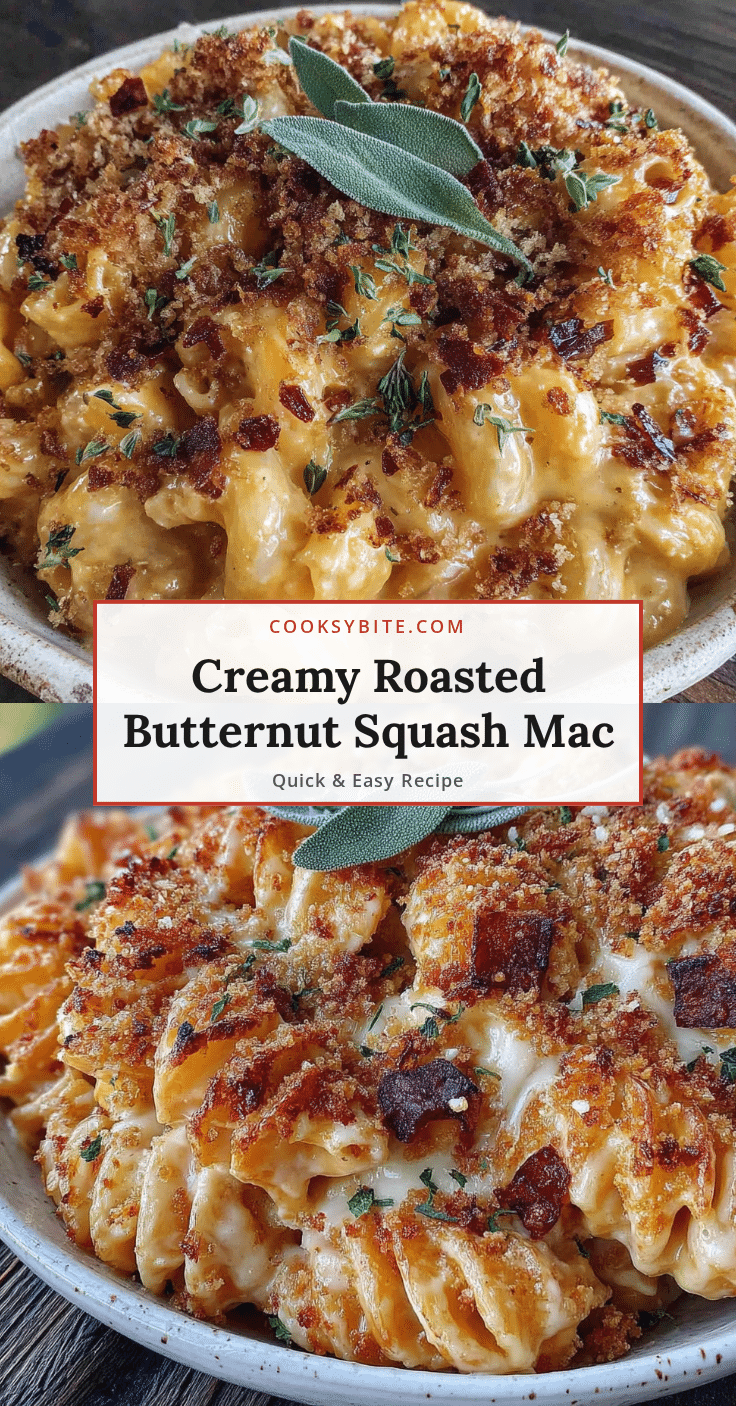
Creamy Roasted Butternut Squash Mac and Cheese – Easy & Best Recipe
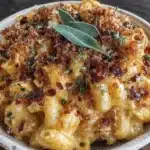
This isn’t one of those ‘healthy swaps’ that tastes like a compromise. This is mac and cheese that happens to have a vegetable in it, with roasted butternut squash blended into a velvety sauce that coats every piece of pasta without being heavy.
- Prep Time: 15 minutes
- Cook Time: 45 minutes
- Total Time: 1 hour
- Yield: 8 servings 1x
- Category: Main Course
- Cuisine: American
Ingredients
- 1 medium butternut squash (about 2 pounds), peeled, seeded, and cubed into 1-inch pieces
- 2 tablespoons olive oil
- 4 cloves garlic, whole
- 1 pound elbow macaroni (or short pasta like cavatappi, shells, or rotini)
- 3 tablespoons unsalted butter
- 2 cups whole milk (plus 2 tablespoons for cornstarch slurry)
- 8 ounces sharp cheddar cheese, freshly grated
- 4 ounces Gruyère cheese, freshly grated (optional but recommended)
- 1 tablespoon cornstarch
- 1 teaspoon Dijon mustard
- 1 teaspoon kosher salt (plus more for pasta water)
- ½ teaspoon freshly ground black pepper
- ¼ teaspoon freshly grated nutmeg
- ½ cup panko breadcrumbs
- 2 tablespoons grated Parmesan cheese
Instructions
- Preheat the oven to 400°F (200°C). Line a baking sheet with parchment paper.
- Toss the cubed butternut squash with 2 tablespoons olive oil, a pinch of salt, and the 4 whole garlic cloves. Spread in a single layer on the baking sheet. Roast for 25-30 minutes, flipping halfway through, until the squash is tender and the edges are caramelized. Let cool slightly.
- While the squash roasts, bring a large pot of salted water to a boil. Cook the macaroni according to package directions until al dente (usually 7-8 minutes). Drain, but don’t rinse.
- Transfer the roasted squash and garlic to a blender. Add ½ cup of the milk. Blend until completely smooth, scraping down the sides as needed. You should have about 2 cups of puree.
- In a large saucepan over medium heat, melt the butter. Add the remaining 1½ cups milk and warm it gently. In a small bowl, whisk the cornstarch with 2 tablespoons cold milk until smooth. Pour this slurry into the warm milk, whisking constantly. Cook for 2-3 minutes until the mixture thickens slightly.
- Lower the heat to low. Add the squash puree, Dijon mustard, salt, pepper, and nutmeg. Whisk until combined. Turn off the heat.
- Gradually add the shredded cheddar and Gruyère, a handful at a time, stirring gently until each addition is fully melted before adding the next. The sauce should be smooth, glossy, and thick enough to coat the back of a spoon.
- Add the drained pasta to the sauce and stir until every piece is coated. Taste and adjust salt and pepper.
- Pour the mac and cheese into a greased 9×13-inch baking dish. In a small bowl, mix the panko breadcrumbs with the grated Parmesan and a drizzle of olive oil. Sprinkle evenly over the top.
- Bake at 375°F (190°C) for 15-20 minutes, until the sauce is bubbly around the edges and the topping is golden brown. For extra browning, broil for the last 2 minutes.
- Rest for 5 minutes before serving.
Notes
Don’t skip the roasting step—it concentrates flavor and removes excess moisture. Grate your own cheese for the smoothest sauce. Turn off the heat before adding cheese to prevent separation. Undercook the pasta slightly as it will continue cooking in the oven. Let the dish rest for 5 minutes before serving to allow the sauce to set.
Nutrition
- Serving Size: 1 serving
- Calories: 480
- Sugar: 8
- Sodium: 680
- Fat: 24
- Saturated Fat: 12
- Carbohydrates: 48
- Fiber: 4
- Protein: 22
Keywords: butternut squash mac and cheese, creamy mac and cheese, roasted squash mac and cheese, fall comfort food, easy mac and cheese recipe