December, and the only thing I want is a cookie that tastes like the first sip of a gingerbread latte. Not the syrupy-sweet coffee shop version, but the quiet kind—the one you make at home when the house is finally still, and the only light comes from the tree. I spent three afternoons trying to get this right. The first batch was too cakey. The second one spread into a sad, flat puddle. But the third? That one had the crackly sugar crust, the soft middle, and that unmistakable warmth of molasses and spice—like a hug in cookie form.
I didn’t grow up making snickerdoodles. Honestly, I was a chocolate chip purist for years. But there’s something about the chew of a good snickerdoodle that just works with gingerbread flavors. The cream of tartar gives it that signature tang, which cuts through the sweetness in a way that makes you reach for another one. And when you add a pinch of espresso powder? That’s the magic. It doesn’t make the cookie taste like coffee—it just deepens everything else. The ginger, the cinnamon, the cloves. It all gets a little more… real.
These cookies aren’t fancy. They’re not for impressing anyone at a holiday party (though they will). They’re for the mornings when you want something warm with your tea, or the evenings when you need a small, sweet thing to end the day. I think that’s why this recipe stuck. It’s not trying to be anything other than what it is: a soft, spiced cookie that tastes like the coziest part of winter.
Why You’ll Love This Recipe
I have tested this recipe six times to make sure it works for real home bakers. Not professional kitchens, not fancy equipment—just a regular oven and a mixing bowl. Here is why I keep coming back to it:
- Quick & Easy: From start to finish, you are looking at about 25 minutes. The dough comes together in one bowl, and there is no chilling time required. Yes, really.
- Simple Ingredients: You probably have most of these in your pantry right now. Molasses and cream of tartar are the only “special” items, and both are easy to find at any grocery store.
- Perfect for the Holidays: These cookies fit right into cookie swaps, gift boxes, or just a quiet afternoon baking session with the kids. They look festive without needing frosting or fancy decorations.
- Crowd-Pleaser: I brought a batch to my neighbor’s holiday gathering, and they were gone before the store-bought cookies were even opened. Adults love the sophisticated spice blend, and kids love the sugar coating.
- Unbelievably Delicious: The texture is what gets me every time. Crispy on the outside, soft and chewy on the inside, with that little tang from the cream of tartar that makes you keep eating. It is comfort food in its purest form.
What makes this recipe different from the dozens of snickerdoodle recipes out there? It is the espresso powder. Most gingerbread cookies lean heavy on the molasses and lose that balance. This one uses just enough espresso to round out the spices without making it taste like a coffee shop. It is subtle, but you will notice the difference. This is not just another version—it is the version I kept coming back to.
What Ingredients You Will Need
This recipe uses simple, wholesome ingredients to deliver that bold gingerbread flavor and satisfying snickerdoodle texture without any fuss. Most of these are pantry staples, so you can whip up a batch whenever the craving hits.
- Unsalted butter, softened (1 cup / 2 sticks) – I always use unsalted so I can control the salt level. Let it sit out for about 30 minutes before starting. (adds richness)
- Granulated sugar (1 ½ cups, divided) – You will use 1 cup in the dough and ½ cup for rolling. Regular white sugar works best for that crackly crust.
- Large egg (1, room temperature) – A cold egg can seize the butter, so let it sit out with the butter.
- Molasses (¼ cup) – Use unsulphured molasses, not blackstrap. Blackstrap is too bitter and will overpower the cookies. I recommend Grandma’s Molasses for the best flavor.
- Vanilla extract (1 teaspoon) – Pure vanilla makes a difference here. The fake stuff works, but the flavor is noticeably flatter.
- All-purpose flour (2 ¼ cups) – Spoon and level your flour. Scooping directly from the bag packs it down and gives you dry cookies.
- Cream of tartar (2 teaspoons) – This is non-negotiable for snickerdoodles. It gives that signature tang and helps with the chewy texture. (adds tanginess)
- Baking soda (1 teaspoon) – Make sure it is fresh. Old baking soda won’t give you the right rise.
- Salt (½ teaspoon) – Fine sea salt or table salt. Kosher salt works too, but you might need a pinch more.
- Ground ginger (1 ½ teaspoons) – This is the star spice. Freshly ground ginger is great, but store-bought works perfectly.
- Ground cinnamon (1 teaspoon) – Use Ceylon cinnamon if you have it; it is milder and sweeter. Cassia cinnamon works fine too.
- Ground cloves (¼ teaspoon) – A little goes a long way. Cloves are potent, so don’t overdo it.
- Espresso powder (1 teaspoon) – This is the secret ingredient. It does not make the cookies taste like coffee. It just deepens the chocolate and spice notes. I use King Arthur Flour brand, but any instant espresso powder works. (deepens flavor)
- For the coating: Granulated sugar (¼ cup) + Ground cinnamon (1 tablespoon) – Mix these together in a shallow bowl for rolling the dough balls.
Substitution guidance: If you do not have cream of tartar, you can substitute with 1 teaspoon of lemon juice or white vinegar added to the dough, but the texture will be slightly different. For a dairy-free option, use vegan butter sticks (not margarine). For a gluten-free version, swap the all-purpose flour with a 1:1 gluten-free baking flour blend—I have had good results with Bob’s Red Mill brand. If you are out of espresso powder, you can skip it, but the cookies will lack that depth of flavor.
Equipment Needed
You do not need anything fancy to make these cookies. Here is what you will need:
- Large mixing bowl – Any bowl works, but a wide one makes mixing easier.
- Electric hand mixer or stand mixer – You can cream the butter and sugar by hand with a wooden spoon, but it takes some elbow grease. A hand mixer makes it quicker and gives you a fluffier texture.
- Rubber spatula – For scraping down the sides of the bowl and folding in the flour.
- Measuring cups and spoons – Accurate measurements matter in baking. Use dry measuring cups for flour and sugar, and liquid measuring cups for molasses.
- Baking sheets (2) – Light-colored baking sheets work best. Dark sheets can cause the bottoms to brown too quickly.
- Parchment paper or silicone baking mat – This prevents sticking and makes cleanup a breeze. I prefer parchment paper for the crispiest bottoms.
- Cookie scoop (about 1.5 tablespoons) – This gives you evenly sized cookies. A spoon works too, but the scoop is more consistent.
- Cooling rack – Letting the cookies cool on a rack stops them from overbaking on the hot sheet.
- Small shallow bowl – For the cinnamon-sugar coating.
I have made these cookies with a cheap hand mixer and a warped baking sheet, and they still turned out great. Do not stress about having the perfect tools. A baking stone works well if you have one, but it is not necessary. If you are using a silicone mat, keep an eye on the baking time—they can sometimes take an extra minute.
Preparation Method
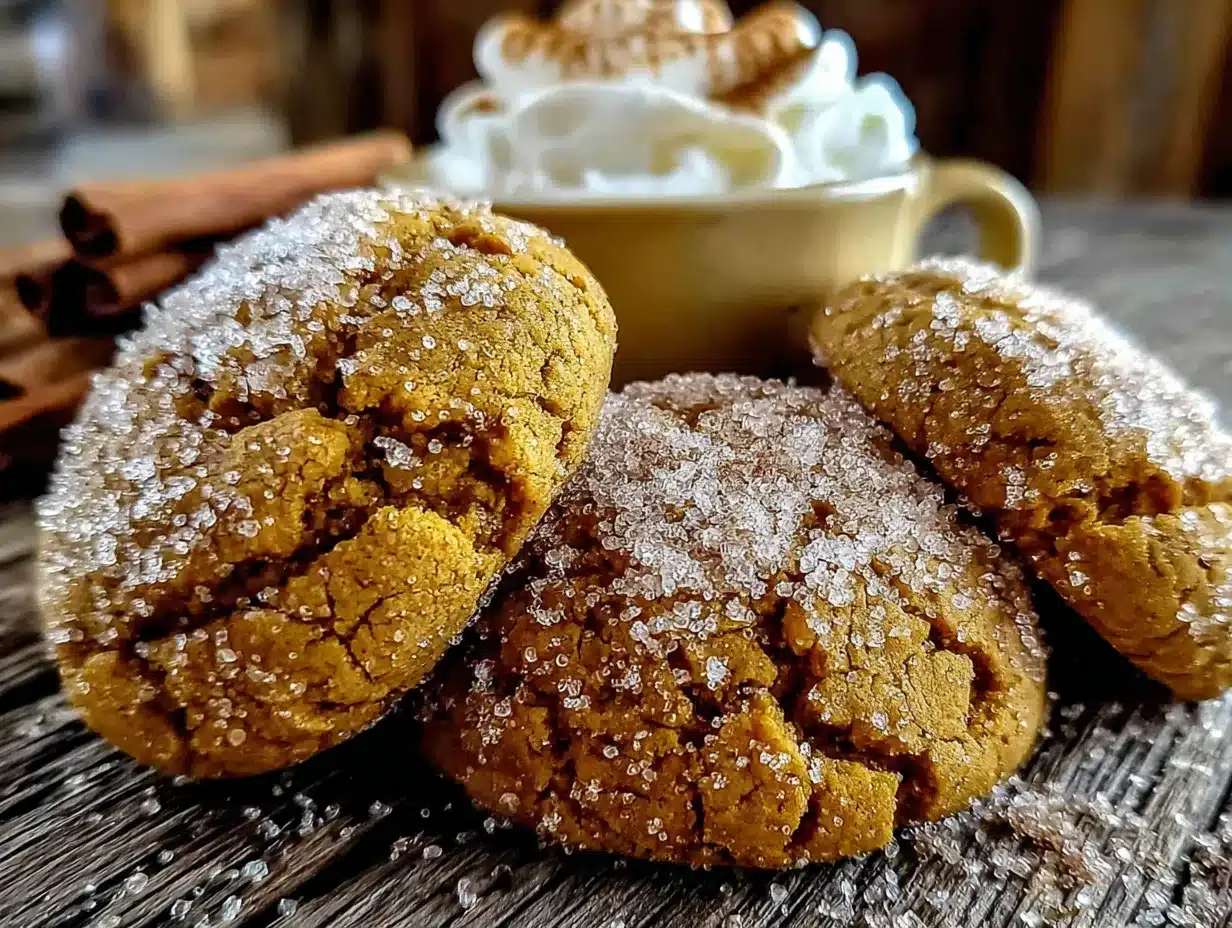
Preheat your oven to 375°F (190°C). Line two baking sheets with parchment paper or silicone mats. This recipe makes about 30 cookies, so you will likely need to bake in batches.
- Cream the butter and sugar: In a large mixing bowl, beat the softened butter and 1 cup of granulated sugar together until light and fluffy. This takes about 2-3 minutes with an electric mixer on medium speed. You want it to look pale and airy. Scrape down the sides of the bowl with a rubber spatula halfway through.
- Add the wet ingredients: Beat in the egg, molasses, and vanilla extract until fully combined. The mixture might look a little curdled at this point—that is normal. Do not panic. Just keep mixing until it comes together.
- Mix the dry ingredients: In a separate bowl, whisk together the flour, cream of tartar, baking soda, salt, ginger, cinnamon, cloves, and espresso powder. Whisking aerates the flour and distributes the spices evenly. No one wants a pocket of baking soda in their cookie.
- Combine wet and dry: Gradually add the dry ingredients to the wet mixture, mixing on low speed. Stop as soon as the flour disappears. Overmixing develops gluten and makes the cookies tough. You want them tender and soft.
- Prepare the coating: In a small shallow bowl, whisk together the remaining ¼ cup of sugar and 1 tablespoon of cinnamon.
- Shape the cookies: Using a cookie scoop or your hands, form the dough into 1.5-tablespoon-sized balls. Roll each ball between your palms until smooth. Then roll each ball in the cinnamon-sugar mixture until fully coated. Place them on the prepared baking sheets about 2 inches apart. They will spread, so give them room.
- Bake: Bake for 10-12 minutes, rotating the pans halfway through. The cookies should look puffed and slightly cracked on top. The edges should be set, but the centers will still look soft and a little underdone. That is exactly what you want.
- Cool: Let the cookies rest on the baking sheet for 5 minutes. This is crucial—they are too fragile to move right away. After 5 minutes, transfer them to a cooling rack to cool completely. The centers will continue to set as they cool.
Sensory cues: When the cookies come out of the oven, they should smell deeply of ginger and spice with a hint of caramel from the molasses. The tops should have that classic crinkled look, and the edges should be golden brown. If the bottoms are dark brown, your oven runs hot—reduce the temperature by 25 degrees next time.
Personal tip: I always bake one test cookie first to check the spread and texture. If it spreads too much, I chill the dough for 15 minutes. If it does not spread enough, I press the balls down slightly before baking. This little trick has saved many batches.
Cooking Tips & Techniques
Let me save you from the mistakes I made. The first time I tried this recipe, I used blackstrap molasses. The cookies were bitter and dark, and I almost gave up. Stick with unsulphured molasses—it is sweeter and milder, and it gives you that classic gingerbread flavor without the bitterness.
Butter temperature matters. If your butter is too cold, it will not cream properly, and your cookies will be dense. If it is too soft or melted, the cookies will spread into flat discs. The sweet spot is when you can press your finger into the butter and it leaves an indent without sinking. If you forget to take it out ahead of time, cut it into small cubes and microwave it in 5-second bursts until it is soft but not melted.
Do not skip the cream of tartar. It is what makes a snickerdoodle a snickerdoodle. It reacts with the baking soda to create that soft, chewy texture, and it adds that subtle tang that balances the sweetness. If you do not have it, the cookies will still taste good, but they will be more like a regular gingerbread cookie.
Espresso powder is not optional. I know it seems like a small thing, but it makes a huge difference. It does not add a coffee flavor—it just makes the spices taste more pronounced. Think of it like salt for your spices. It amplifies everything without being noticeable on its own.
Multitasking tip: While the first batch is baking, roll the remaining dough balls and coat them in the cinnamon-sugar. That way, you can pop the next batch in as soon as the first one comes out. Keep the rolled dough balls on a plate or tray, ready to go.
Consistency tip: Use a cookie scoop for even-sized cookies. This ensures they all bake at the same rate. If some are smaller and some are larger, the small ones will burn while the big ones are still raw. A scoop is a small investment that pays off in consistent results.
Variations & Adaptations
One of the best things about this recipe is how flexible it is. Here are some variations I have tried and loved:
- Vegan version: Substitute the butter with vegan butter sticks and the egg with a flax egg (1 tablespoon ground flaxseed mixed with 3 tablespoons water, let sit for 5 minutes). The cookies will be slightly less tender, but the flavor is still spot-on. I tested this for a friend who is vegan, and she said they were the best cookies she has had in years.
- Gluten-free version: Use a 1:1 gluten-free baking flour blend. I recommend Bob’s Red Mill or King Arthur Flour blends. Add an extra tablespoon of flour if the dough feels too sticky. The texture will be a little crumblier, but the taste is identical.
- Spiced-up version: Add ¼ teaspoon of cardamom and a pinch of black pepper to the dough. The cardamom adds a floral note, and the black pepper gives a subtle warmth that pairs beautifully with the ginger. This is my personal favorite variation for when I want something a little different.
- White chocolate drizzle version: Melt ½ cup of white chocolate chips with 1 teaspoon of coconut oil and drizzle it over the cooled cookies. The sweetness of the white chocolate contrasts perfectly with the spicy gingerbread. It also makes them look fancy for gift-giving.
- Iced version: Whisk together 1 cup of powdered sugar, 2 tablespoons of milk, and ½ teaspoon of vanilla extract. Drizzle over the cooled cookies. This turns them into something closer to a gingerbread latte in cookie form.
If you love experimenting with seasonal flavors, you might also enjoy this decadent red wine chocolate cake for another cozy treat.
Serving & Storage Suggestions
These cookies are best served slightly warm, when the centers are still soft and the cinnamon-sugar coating is at its crackliest. I like to serve them with a cup of hot tea or a mug of spiced apple cider. For a real treat, pair them with a fluffy strawberry mousse for a light and fruity contrast.
For presentation, arrange the cookies on a festive plate or in a tin lined with parchment paper. They look beautiful dusted with a little extra cinnamon on top. If you are giving them as gifts, layer them in a mason jar with a ribbon tied around the lid—simple and charming.
Storage instructions:
- Room temperature: Store in an airtight container at room temperature for up to 5 days. Place a slice of bread in the container to keep them soft—the bread absorbs excess moisture and releases it slowly. Replace the bread every other day.
- Refrigerator: You can refrigerate the baked cookies in an airtight container for up to 1 week. Let them come to room temperature before serving.
- Freezer: These cookies freeze beautifully. Place them in a single layer on a baking sheet and freeze until solid, then transfer to a freezer-safe bag or container. They will keep for up to 3 months. Thaw at room temperature for about 30 minutes.
Reheating method: To bring back that fresh-from-the-oven warmth, pop a cookie in the microwave for 10 seconds. Or place them on a baking sheet in a 300°F oven for 3-5 minutes. The flavors actually deepen after a day or two, so do not be surprised if they taste even better the next day.
Nutritional Information & Benefits
Here is the estimated nutritional information per cookie (based on 30 cookies):
| Nutrient | Amount per Cookie |
|---|---|
| Calories | 145 |
| Total Fat | 7g |
| Saturated Fat | 4g |
| Carbohydrates | 20g |
| Sugar | 12g |
| Protein | 2g |
| Fiber | 1g |
| Sodium | 95mg |
Health benefits of key ingredients:
- Ginger: Known for its anti-inflammatory properties and ability to aid digestion. It can also help soothe an upset stomach.
- Cinnamon: Rich in antioxidants and may help regulate blood sugar levels. It also adds warmth and depth without extra sugar.
- Molasses: Contains iron, calcium, and magnesium. It is a natural sweetener that provides more nutrients than refined sugar.
Dietary considerations: This recipe contains gluten, dairy, and eggs. For a gluten-free version, see the variations section. For a dairy-free version, use vegan butter. The cookies are nut-free, making them safe for school lunches or parties where nut allergies are a concern.
I believe in balance. These cookies are a treat, not a health food. But knowing that the spices have some benefits makes me feel a little better about having two (or three) with my afternoon tea.
Conclusion
These Cozy Gingerbread Latte Snickerdoodle Cookies are the kind of recipe you will come back to year after year. They are simple enough for a weekday bake, but special enough for holiday gatherings. The combination of warm spices, that signature snickerdoodle tang, and the subtle depth of espresso powder creates a cookie that is truly memorable.
I love that this recipe is forgiving. You can swap ingredients, adjust the spices, or double the batch without any drama. It is a recipe that works with you, not against you. And honestly? That is the kind of recipe I want in my kitchen.
I would love to hear how these turn out for you. Did you add any extra spices? Did you try the white chocolate drizzle? Drop a comment below and let me know. And if you share them on social media, tag me—I love seeing your baking adventures.
If you are looking for more holiday baking inspiration, check out this moist pink velvet bundt cake or these mini lemon blueberry cheesecakes for a festive dessert table. Happy baking, friends.
Frequently Asked Questions
Can I make the dough ahead of time?
Yes, you can make the dough up to 3 days in advance. Wrap it tightly in plastic wrap and store it in the refrigerator. When you are ready to bake, let it sit at room temperature for about 15 minutes so it is soft enough to scoop. You may need to add an extra minute or two to the baking time since the dough will be cold.
Why did my cookies turn out flat?
Flat cookies usually mean the butter was too soft or melted. Make sure your butter is softened but still cool to the touch. Another culprit is overmixing the dough after adding the flour, which develops too much gluten. Also, check that your baking soda is fresh—old baking soda loses its leavening power.
Can I use fresh ginger instead of ground ginger?
I do not recommend it. Fresh ginger has a much higher water content and a different flavor profile. It will make the dough too wet and the cookies will spread unevenly. Stick with ground ginger for this recipe. If you want a stronger ginger flavor, add an extra ½ teaspoon of ground ginger.
How do I know when the cookies are done baking?
The edges should be set and lightly golden, but the centers will still look soft and slightly underdone. They will continue to bake on the hot sheet after you take them out of the oven. If the edges are dark brown, they are overbaked. If the centers look completely set, they are overbaked too. Trust the soft center—it will firm up as it cools.
Can I freeze the unbaked dough?
Absolutely. Scoop the dough into balls and roll them in the cinnamon-sugar coating. Place them on a baking sheet in a single layer and freeze until solid. Transfer the frozen dough balls to a freezer-safe bag. When you are ready to bake, place them on a baking sheet and add 2-3 minutes to the baking time. No need to thaw first.
Pin This Recipe!
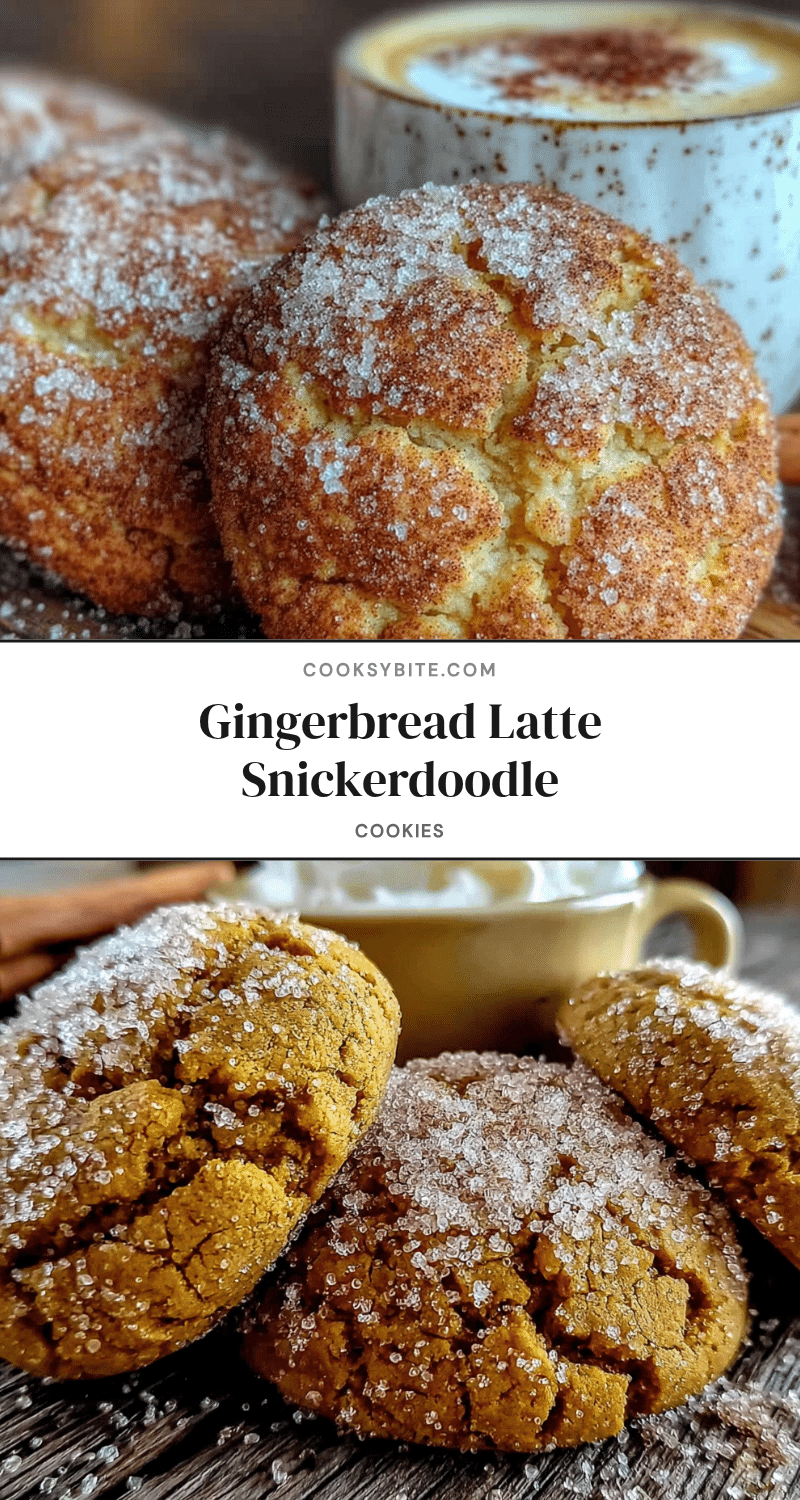
Cozy Gingerbread Latte Snickerdoodle Cookie Recipe

These soft, spiced snickerdoodle cookies combine the warmth of gingerbread with the signature tang of cream of tartar, plus a secret touch of espresso powder for depth. They’re quick, easy, and perfect for holiday baking.
- Prep Time: 15 minutes
- Cook Time: 12 minutes
- Total Time: 27 minutes
- Yield: 30 cookies 1x
- Category: Dessert
- Cuisine: American
Ingredients
- 1 cup (2 sticks) unsalted butter, softened
- 1 ½ cups granulated sugar, divided (1 cup for dough, ½ cup for rolling)
- 1 large egg, room temperature
- ¼ cup unsulphured molasses
- 1 teaspoon vanilla extract
- 2 ¼ cups all-purpose flour
- 2 teaspoons cream of tartar
- 1 teaspoon baking soda
- ½ teaspoon salt
- 1 ½ teaspoons ground ginger
- 1 teaspoon ground cinnamon
- ¼ teaspoon ground cloves
- 1 teaspoon espresso powder
- For the coating: ¼ cup granulated sugar + 1 tablespoon ground cinnamon
Instructions
- Preheat oven to 375°F (190°C). Line two baking sheets with parchment paper or silicone mats.
- In a large mixing bowl, beat softened butter and 1 cup granulated sugar together until light and fluffy, about 2-3 minutes with an electric mixer on medium speed. Scrape down sides halfway through.
- Beat in egg, molasses, and vanilla extract until fully combined. The mixture may look curdled; that’s normal.
- In a separate bowl, whisk together flour, cream of tartar, baking soda, salt, ginger, cinnamon, cloves, and espresso powder.
- Gradually add dry ingredients to wet mixture, mixing on low speed until just combined. Do not overmix.
- In a small shallow bowl, whisk together remaining ¼ cup sugar and 1 tablespoon cinnamon for coating.
- Using a cookie scoop or hands, form dough into 1.5-tablespoon-sized balls. Roll each ball smooth, then coat in cinnamon-sugar mixture. Place on prepared baking sheets about 2 inches apart.
- Bake for 10-12 minutes, rotating pans halfway through. Cookies should look puffed and slightly cracked on top; edges set but centers still soft.
- Let cookies rest on baking sheet for 5 minutes, then transfer to a cooling rack to cool completely.
Notes
Use unsulphured molasses, not blackstrap. Cream of tartar is essential for the snickerdoodle texture. Espresso powder deepens the spice flavor without adding coffee taste. For best results, bake one test cookie first to check spread. Store in an airtight container at room temperature for up to 5 days; freeze for up to 3 months.
Nutrition
- Serving Size: 1 cookie
- Calories: 145
- Sugar: 12
- Sodium: 95
- Fat: 7
- Saturated Fat: 4
- Carbohydrates: 20
- Fiber: 1
- Protein: 2
Keywords: gingerbread, snickerdoodle, latte, cookies, holiday, Christmas, espresso, molasses, cinnamon, ginger